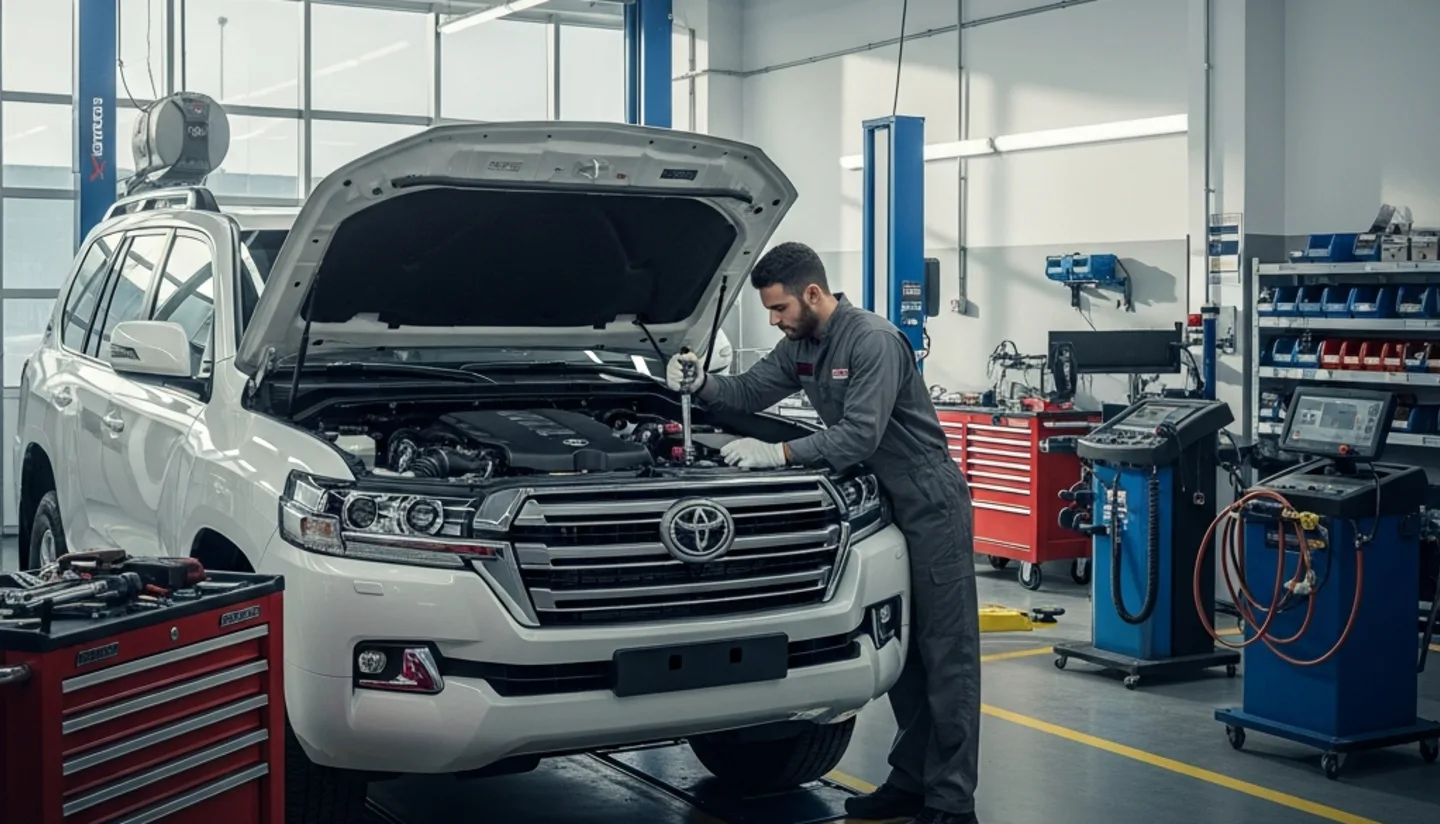
The Toyota Land Cruiser 300 is a formidable vehicle built to tackle everything from city streets to harsh desert tracks. But under the bonnet, its turbocharged engine faces unique demands in the UAE, where extreme heat, dense traffic, and dusty off-road conditions can push even tough engines to their limits. If you own or plan to own a Land Cruiser 300 here, understanding how to maintain its turbo engine isn’t just about ticking off services. It means maximising performance, keeping costs predictable, and ensuring your vehicle stands up over years of hard use. This article explains why UAE conditions matter so much for turbo engine care, highlights the areas most likely to need special attention, and gives real-world advice on habits, warning signs, and checks. Whether you use your Land Cruiser for daily commutes, family road trips, or serious off-road adventures, these tips help you avoid expensive surprises and keep your engine healthy.
Why UAE Driving Is Hard on the Land Cruiser 300 Turbo Engine
The UAE’s climate and driving style aren’t friendly to engines. Daytime temperatures can soar above 45°C, while stop-start traffic and off-road excursions create extra stress on engine components, especially turbos. High temperatures thin engine oil faster, increase cooling system loads, and make turbochargers work harder. In any turbo engine, heat accelerates oil ageing – which can leave vital turbo bearings under-lubricated if oil isn’t changed on time. Cooling systems must work overtime, with failures growing more likely if coolant or radiator health is ignored. Traffic , towing, and desert driving all hike up the demands on your Land Cruiser’s turbo engine. Heavy towing and deep-sand driving force the turbo to maintain boost for longer, while frequent city trips with little chance to cool down or clear the filters mean more thermal cycles and more particulate buildup. Harsh-use conditions mean that following a standard global maintenance schedule often isn’t enough. Despite Toyota’s robust engineering, turbo engine owners in the UAE must shift to more frequent checks and servicing. Patterns of short trips, long idling times, and sandy, dusty roads all amplify the need for preventive action.
Use the Right Oil and Change It on Time
Turbos re especially sensitive to oil quality. In the UAE’s heat, oil degrades faster, so using the correct specification and changing it promptly is non-negotiable. Why turbo engines depend on oil quality:
- The turbo spins at extremely high speeds (sometimes over 150,000 rpm) and relies on a thin film of oil for lubrication.
- Poor, old, or incorrect oil can leave metal parts exposed, causing premature turbo wear or even failure.
- For the Land Cruiser 300 turbo in the UAE, always use fully synthetic oil that matches or exceeds the manufacturer’s grade and specification. This usually means a high-quality 5W-30 or 0W-40 synthetic, formulated for turbo engines and severe climates. Always double-check your owner’s manual or a knowledgeable workshop.
When should you change oil?
- In normal conditions, Toyota’s service schedule may set an oil change interval of around 10,000 km.
- With frequent heavy use, city driving, towing, or desert runs, it’s safer to shorten this interval to 5,000–7,000 km. Serious heat, short trips, or long idle times are all signals to bring servicing forward.
If oil quality drops:
- You risk sludge, blocked oil lines, and turbo bearing failure. Once damage starts, repairs are expensive and may mean replacing full turbo assemblies.
- Checking the dipstick for dark, sticky, or gritty oil is a quick clue between service visits.
Keep the Cooling System Ready for Extreme Heat
Your Land Cruiser’s turbo engine creates a lot of heat. In the UAE, the cooling system has to work harder than in milder climates, any weakness increases the risk of overheating and associated engine or turbo damage. Regular cooling system inspections should cover:
- Radiator: Look for leaks or scaling, especially if you regularly drive in dusty environments.
- Cooling hoses: Check for cracks, hardness, or bulges that signal age or overheating.
- Water pump: Listen for noise and check for coolant leaks below the engine.
- Coolant condition: Use only the coolant type and mix exactly as Toyota specifies. Replace coolant at least as often as the manual recommends, and more often if you do lots of off-roading or heavy-hauling.
Early signs of cooling trouble:
- Overheating gauge movements, steam, or a strong smell of coolant after parking.
- Decreased air conditioning performance can be an indirect warning of engine heat issues.
Don’t delay coolant service:
- In high-stress conditions, flushing and replacing coolant more often prevents scale and corrosion, helping avoid head gasket, radiator, or turbo heat exchanger failures. Postponing can turn a cheap service into a major repair.
Protect the Turbo From Sand, Heat, and Stop-Start Driving
Turbochargers make the Land Cruiser feel powerful and responsive, but they’re sensitive to dust, heat, poor warm-up, and abrupt shutdowns. The UAE environment magnifies all of these risks. Air filters matter more here:
- Dust and sand are constant threats, especially when venturing off highway or into desert terrain. Even a slightly clogged filter can reduce airflow and let sand get past, causing internal turbo and cylinder wear.
- For UAE conditions, check and replace air filters more often than the manufacturer’s base schedule. For some, this could be every 5,000–10,000 km, or before every desert trip. A clean filter means peak turbo health.
Turbo warm-up and cool-down habits:
- Start gently: After starting the engine, drive calmly for the first few minutes. This allows oil and coolant to circulate fully before high boost is applied.
- After high-speed runs or heavy use (like towing or dune bashing), let the engine idle for 1–2 minutes before shutting it down. This helps cool the turbo and prevents hot shut-off oil coking, which can damage the bearings.
- Avoid abrupt shutdowns immediately after hard driving.
How driving habits affect turbo lifespan:
- Stop-start city driving, frequent cold starts, and irregular maintenance are hard on turbochargers. Make smooth throttle inputs and avoid prolonged high boost in traffic where airflow and cooling are reduced.
- For off-roading or towing, always err on the side of more frequent filter and oil changes.
Watch Fuel Quality and Combustion Health
Turbocharged engines like those in the Land Cruiser 300 depend on clean, high-quality fuel to run smoothly and avoid expensive deposit problems. Fuel quality matters:
- The Land Cruiser 300 in the UAE typically requires 95 or 98 RON petrol (check your model/model year for specifics). Using lower-octane fuel, or fuel from unreliable sources, can cause knocking, misfiring, or premature wear.
How poor fuel causes trouble:
- Bad fuel leads to carbon deposits inside the combustion chamber and on injector tips. This can result in power loss, reduced fuel economy, rough running, and hard starting.
- In extreme cases, poor combustion from low-grade fuel can damage the turbo itself through soot buildup or increased exhaust temperatures.
When to clean injectors or intake:
- If you notice hesitation, loss of power, or rough idle, the injectors or intake system might need professional cleaning.
- Plan for periodic fuel system service, especially if you use different stations or sometimes resort to lower-quality fuel on remote trips.
Know the Warning Signs Before Damage Gets Expensive
Catching the first signs of trouble is the cheapest form of engine and turbo protection. Warning lights:
- Never ignore an engine, oil, or temperature warning light. Even brief illumination deserves quick attention.
Other symptoms to take seriously:
- Excessive smoke from the exhaust (blue or black smoke is a danger sign)
- Turbo whining, rattles, or hissing that’s louder or different than normal
- Sudden loss of power, hesitation, or stuttering
- Overheating, especially in traffic
- Oil leaks visible on or near the turbo
When to stop and seek help:
- Persistent warning lights, obvious loss of power, or overheating all require immediate attention. It’s often safer to stop, let the engine cool, and call for workshop assistance, continuing to drive could push small problems into major, costly damage.
Follow a Service Plan That Matches Real UAE Use
Your Land Cruiser’s health depends on adapting servicing for real Middle Eastern conditions, not just following the basic manual. For best results,:
- Adjust oil, filter, and coolant changes to match your actual use. High heat, sand, towing, and city driving mean shorter intervals, and greater peace of mind.
- Inspect filters, coolant, hoses, and belts more frequently during extreme heat months or after desert trips. A quick check takes minutes and can prevent thousands in repairs.
- Keep records: Log any warning lights, loss of performance, or repairs. This helps your workshop identify patterns and catch small problems before they grow.
Owner checks vs. workshop inspections:
- You can check visible engine oil, coolant levels, and air filter condition yourself (refer to the owner’s manual).
- Most other items, especially turbo function, fuel system integrity, injector condition, and cooling pressure tests, are best handled by a qualified service centre. If in doubt, don’t risk it: a skilled workshop can pick up early issues you might miss.
Conclusion: Consistent Care Pays Off
Owning a Toyota Land Cruiser 300 turbo in the UAE means enjoying extraordinary power and versatility, but it also comes with responsibility. By tuning your maintenance habits to local conditions, focusing on oil, cooling system health, air and fuel quality, and prompt attention to warning signs, you’ll get the best performance, reliability, and value from your vehicle. Regular checks and professional support help prevent expensive surprises, keep repairs predictable, and extend your Land Cruiser’s lifespan. Stay proactive, adapt your service plan to your real driving, and you’ll keep your turbo engine running strong in the challenging UAE environment.