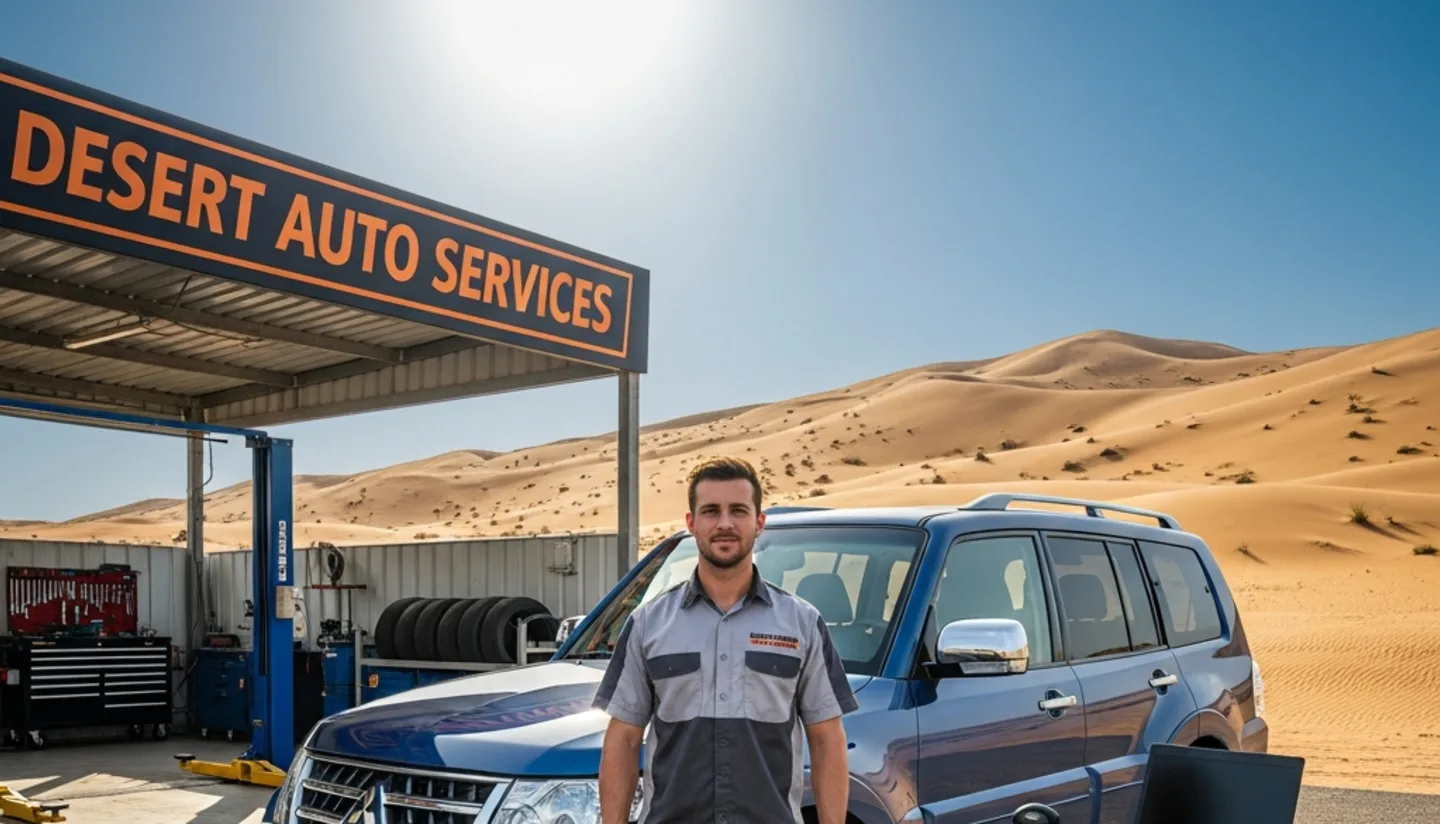
The Mitsubishi Pajero has long been a familiar sight across the UAE’s deserts, highways, and city streets. For years, it embodied rugged reliability, affordable servicing, and that near-mythical capacity to handle the region’s heat, dunes, and family tasks. Since production ended, loyalists have debated what, if anything, would ever fill its shoes. Now, with talk of a new Pajero returning in 2026, drivers who frequent the sands or need a practical, hard-wearing SUV are watching closely. Should you postpone your next purchase in anticipation, or is it wiser to stick with current benchmarks like the Nissan Patrol, Toyota Land Cruiser, or a proven used Pajero? This article covers what’s known, what remains uncertain, and how UAE-specific realities could impact your decision.
Rumours about the Pajero’s return have accelerated, but has Mitsubishi actually committed to a new model, and will it reach the UAE in 2026? As of early 2024, Mitsubishi has hinted at a revived Pajero nameplate, building on recent concept vehicles and announcements about global SUV strategy. However, there is no official confirmation with concrete specs, images, or a set production date yet.
Mitsubishi has confirmed an intention to expand its global SUV lineup and revive iconic badges, including the Pajero, within its future plans. Global press releases indicate a focus on off-road capability and electrification, suggesting the next Pajero could share tech with Renault-Nissan alliance partners.
There has been no detailed reveal of platform, powertrain, or features. Most discussion about specs, off-road hardware, and body style comes from industry leaks or speculative reporting, not official UAE dealership announcements. Even whether the final model will be body-on-frame (traditional for tough off-roaders) or adopt a more car-like unibody construction remains uncertain.
Even optimistic timelines suggest the earliest a right-hand drive or GCC-suitable Pajero could reach the UAE is late 2026 or 2027, assuming no delays. Homologation, regional testing, and adaptation for local climate and fuel are non-negotiable for this market, so last-minute changes or launch hold-ups are always a risk.
In the UAE, not every 4WD can cut it in the desert, even if it wears a trusted badge. Dune driving and desert reliability place special demands on vehicles and owners alike. Here’s what really matters for local conditions:
A good desert SUV needs more than marketing claims. True desert performance depends on:
Desert heat cripples weak cooling systems fast. Proven high-temp radiators, reliable air conditioning, and transmission cooling are must-haves. High ground clearance and a solid approach/departure angle help avoid getting stuck or damaging bumpers when cresting dunes. Low-range or crawl gears remain essential for controlled starts in soft sand. While electronic aids help, mechanical four-wheel drive systems still have the edge in severe use.
For most UAE buyers, SUVs double as family transport or daily drivers. That means you also need:
Until Mitsubishi unveils a production model, every technical promise is best treated with caution. Still, some educated guesses can be made based on the market and past Pajero strengths.
Enthusiasts hope for a body-on-frame chassis, as that’s the backbone of real off-road durability (as seen in the old Pajero, Patrol, and Land Cruiser). Rumours suggest the new Pajero could share underpinnings with Renault-Nissan alliance SUVs, but whether this means ladder frame or a reinforced monocoque remains to be seen.
Genuine desert-readiness requires:
Whether the new Pajero will match the old model or rivals like the Patrol and Land Cruiser on these fronts is a question only the production version will answer.
The outgoing Pajero remains respected for its mechanical simplicity and DIY repair potential in the desert. New technology can mean better efficiency and safety, but also adds complexity that may limit serviceability or raise costs if something goes wrong mid-dune. Until the 2026 Pajero is field-tested here, its performance and durability in Emirates desert use is only theoretical.
No official engine range for the 2026 Pajero has been released, but trends in the global SUV market and Mitsubishi’s own moves suggest key options.
Pure V6 petrol engines are becoming rarer, with many brands shifting to turbocharged four-cylinders or hybrid/petrol-electric setups for better emissions and economy. If the new Pajero follows this, expect:
Torque, even at low revs, is what counts in soft sand, allowing for easy starts and maintaining momentum. Traditional naturally aspirated engines deliver this reliably, while turbocharged engines may have lag. Hybrids can provide instant electric torque at low speed, but their reliability on extended dune runs is untested locally.
The older Pajero offered relatively low running costs, with simple engines and wide parts availability. Newer powertrains, especially hybrids or turbocharged engines, may improve fuel efficiency but increase maintenance complexity, parts costs, and potential issues with local fuel quality. Highway refinement may improve, but reliability, heat-management, and cost over years of UAE use remain uncertain until local testing confirms them.
Desert drivers in the UAE have long relied on a shortlist of proven off-roaders, each with its own strengths. Here’s how the 2026 Pajero might stack up:
The biggest question: does waiting for an unproven model make sense, or does real world practicality favour sticking with current choices?
Anticipation around the Pajero’s possible return is understandable, especially among drivers who grew up with the model’s reputation. However, for most UAE families and off-road regulars, practicality outweighs nostalgia. Until Mitsubishi officially confirms the new Pajero’s details, demonstrates local suitability, and proves its reliability in the Gulf’s unique mix of sand, heat, and busy highways, the wise money will likely stay with known quantities. If your desert plans or family needs can’t wait, a tested used Pajero, Prado, Patrol or Land Cruiser remains a smarter, lower-risk choice for the time being.