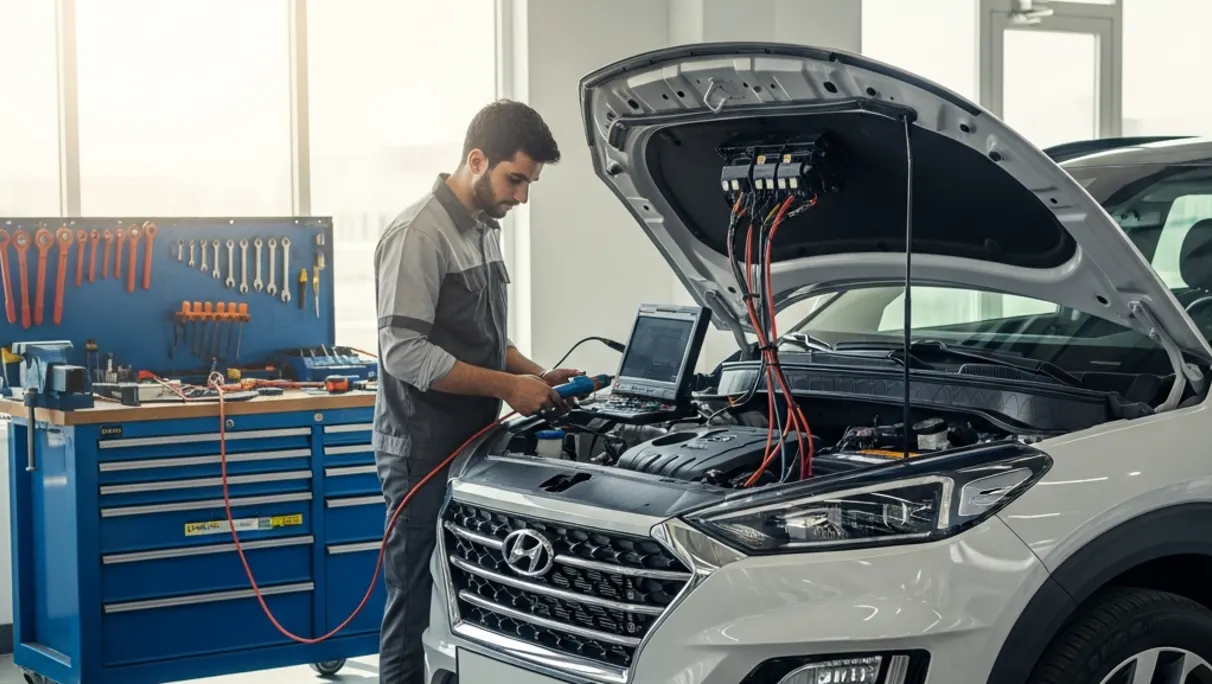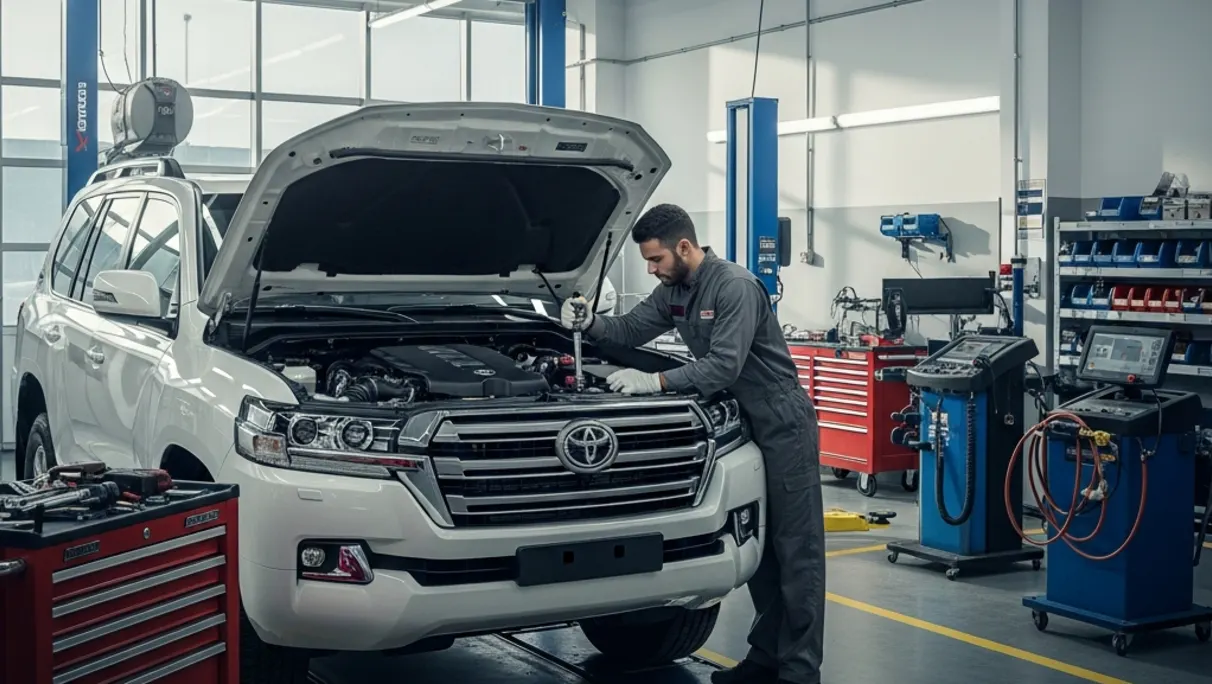
If you’ve spent any time looking after a car in the UAE, you’ll know that proper maintenance is more than just an oil change and the occasional battery swap. One of the most critical and often misunderstood parts of engine maintenance is knowing whether your car uses a timing belt or a timing chain. That distinction can mean the difference between a predictable service cost and a sudden, expensive repair. In this article, we’ll break down how timing belts and chains work, why it’s essential to know which system your engine uses, and how these parts affect long-term ownership costs and reliability in the tough UAE environment. You’ll also learn how to spot warning signs, avoid common mistakes, and budget for this crucial piece of your car’s upkeep.
A timing system’s job is to keep your engine’s internal parts moving together at the right moments. Whether your vehicle uses a belt or a chain, this system synchronises the crankshaft and the camshaft so the engine’s valves open and close in perfect time with the pistons. If the timing goes wrong, the engine can’t run properly, and in many engines, major damage will follow.
A timing belt is typically a rubber belt with internal fibres for strength. It runs on toothed pulleys and, in most designs, is positioned outside the engine oil, separated by covers. Timing chains are made of metal, operating inside the engine, similar to a bicycle chain. Both types maintain timing, but their materials, location, and lubrication requirements create big differences for owners.
Rubber wears out, especially under load and heat. That’s why manufacturers set clear mileage or time limits, often between 60,000 and 120,000 km, or 3 to 7 years, depending on engine and brand. Miss this window, and you risk catastrophic failure.
Chains are designed to last longer, potentially the life of the engine, but only if oil quality stays high and the tensioning mechanism remains healthy. Ignore oil changes or use poor-quality oil, and you’ll accelerate chain and tensioner wear. Chains that become noisy or loose are a sign of developing issues, not something to ignore.
Knowing which system you have isn’t always straightforward. Even within the same model range, different engines might use either belts or chains.
Replacing a timing belt isn’t something you do because something feels wrong, it’s about beating costly damage to the punch. In the UAE, the combination of heat, fine dust, and high mileage accelerates rubber wear. Missing a scheduled change can destroy an engine if the belt fails in an ‘interference’ engine (where valves and pistons can collide).
While timing chains are designed to last the “life” of the engine, that life can be cut short by neglect or tough use, both common in the UAE. The two biggest enemies are poor oil maintenance and failing tensioners or guides.
Problems with timing belts or chains rarely appear suddenly. Listen for warning signs and know when to act:
If you hear acute rattling or notice severe running issues, it’s safer to stop driving and arrange inspection before worse damage is done. In the UAE, high temperatures and traffic mean problems can progress quickly if ignored.
Extreme climates test every component, and the timing system is no exception. Here’s how local conditions come into play:
Repairs or scheduled maintenance don’t need to come as unwelcome surprises.
In both cases, if you’re unsure, consider a professional inspection, knowing the system condition before a problem starts is always cheaper and less stressful than waiting for a sudden breakdown.
Whether your car is American, Japanese, Korean, or Chinese, knowing if your engine uses a timing belt or chain isn’t just for enthusiasts, it’s basic car ownership in the UAE. A little knowledge can save you thousands, avoid breakdowns, and keep your car running reliably in the region’s tough environment. Always follow your vehicle’s maintenance schedule, don’t ignore early warning signs, and keep your service records straight. It’s one of the smartest, simplest ways to protect your automotive investment in the long run.