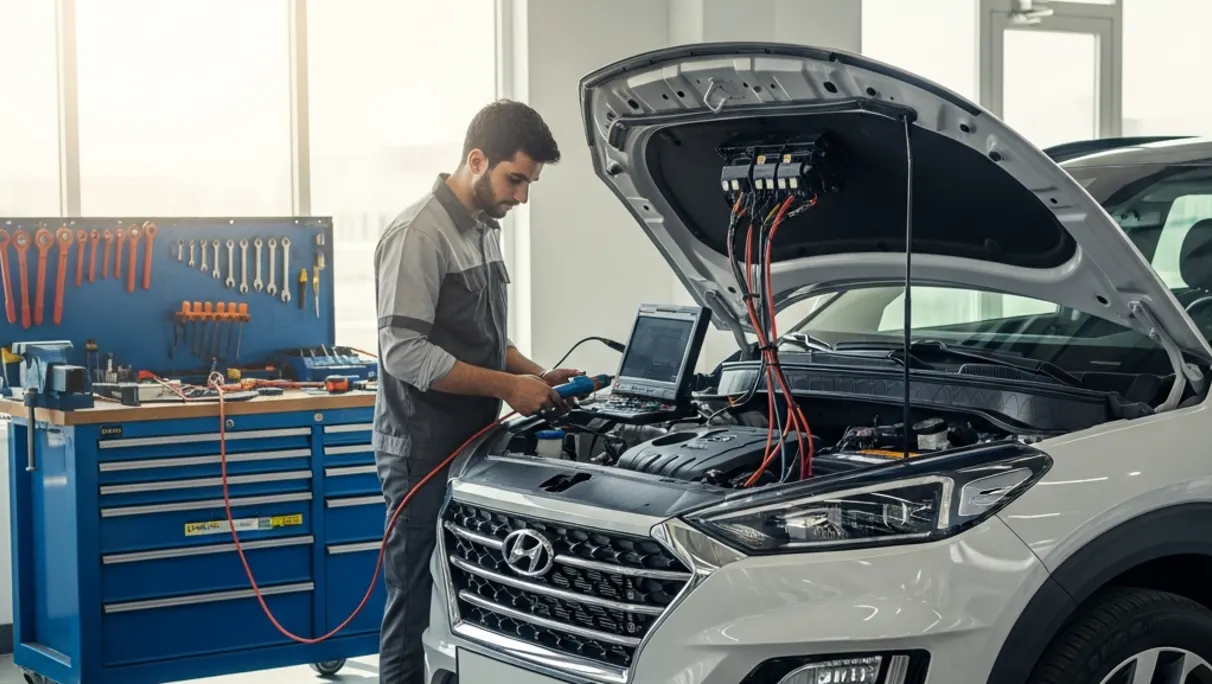
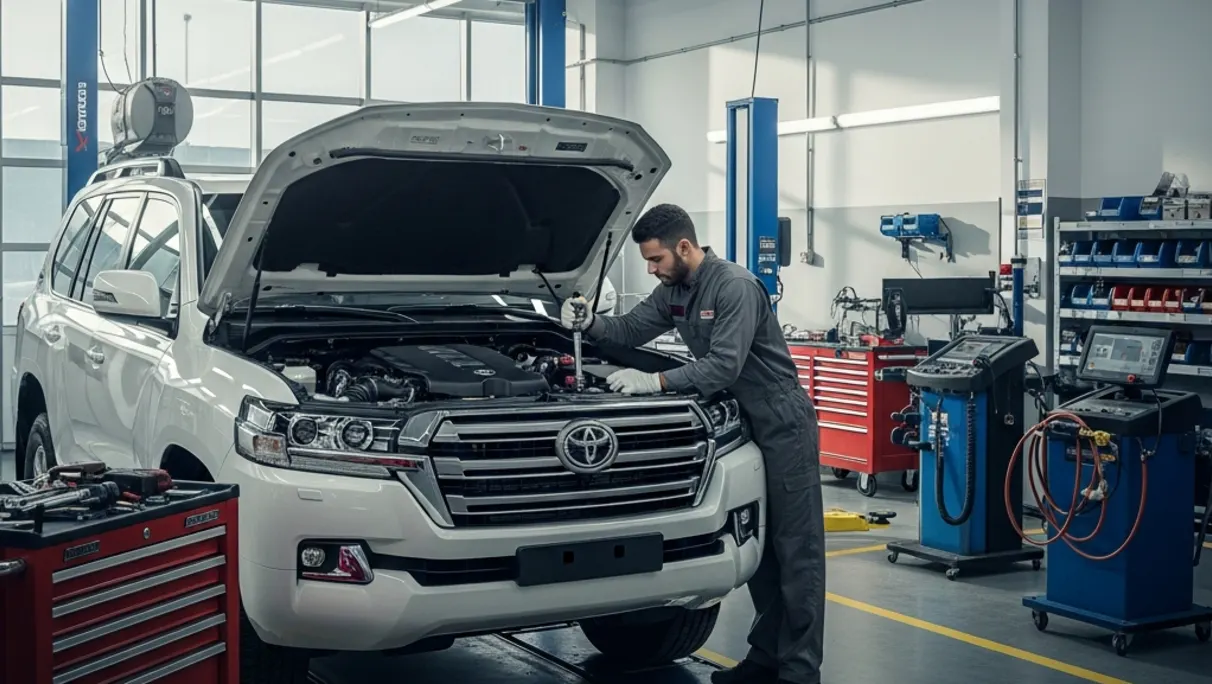
Spark Plug Replacement in the UAE: How Timing Differs for Japanese, Korean, Chinese, and American Cars. No matter what car you drive in the UAE, spark plugs play an essential role in reliable starting, smooth running, and fuel efficiency. Yet spark plug replacement timing can be a moving target, especially when trying to compare Japanese, Korean, Chinese, and American vehicles. That’s because engine design, plug material, driving habits, and extreme heat all combine to shape how quickly spark plugs wear or fail. Missing the right replacement window can lead to hard starts, misfires, poor performance, and even bigger repair bills down the road. This article will break down how often different cars typically need new plugs in local conditions, what signs to watch for, and why routine checks matter more in the UAE.
Spark plug replacement intervals are usually set by the vehicle manufacturer, based on both engine design and the type of spark plug used. But the real service life may end up shorter in the UAE, where temperatures soar and urban traffic rarely gives engines an easy time. Typical replacement timing by origin:
But remember: The correct interval for any car still depends on the specific model, engine code, and plug material. Always check the owner's manual and factor in local conditions, timelines above are only a guide for UAE usage.
Plug lifespan depends on:
A modern Japanese hybrid with iridium plugs will likely go farther than an older American SUV on copper. But if either spends most of its time in Sheikh Zayed Road traffic, the actual service interval will be shorter than manufacturer brochures suggest.
UAE driving presents a tough test for any spark plug. Here’s why service life can be shorter regardless of car origin:
Temperatures in the Emirates regularly push engines into their upper thermal limits. High heat accelerates plug wear, breaks down insulation, and encourages deposits to build on plug tips. This means even premium plugs might not reach their maximum rated mileage under local stress.
City traffic in Dubai, Abu Dhabi, and Sharjah often means long periods of idling or constant start-stop movement. Spark plugs fire more often at low engine speeds, steadily increasing wear even when the car covers relatively few kilometres.
Frequent short journeys where engines barely reach full operating temperature make matters worse. Spark plugs never have long, stable periods to burn off deposits, so fouling and misfires become more common over time.
While UAE fuel is generally clean, variations in octane and additives can still affect spark plug life. Cheaper or off-brand fuel may leave behind additional deposits, while repeated topping up rather than running full tanks can also create buildup.
Modern engines can mask wear for a while, but the following signs often show up when plugs are near the end of their life:
Ignition coil failures, especially in hot UAE weather, can cause nearly identical symptoms. It’s important to confirm whether plugs, coils, or injectors are at fault before replacing parts, an experienced technician will check all likely causes.
Copper plugs are cost-effective but tend to be replaced most often (as little as 20,000–40,000 km in hard UAE use). Platinum plugs offer more longevity (typically 60,000–80,000 km), while iridium plugs can last up to 120,000 km, though not always in local traffic and heat.
Turbocharged and direct-injection engines often have higher combustion pressures and temperatures, both of which can erode plugs sooner. Naturally aspirated engines are generally less demanding, but city use still wears plugs steadily.
Manufacturer service schedules set a baseline, but these are often based on mild driving in cooler climates. UAE drivers who face harsh traffic, sand, and high heat should treat these as best-case scenarios, not hard rules.
Aggressive acceleration, frequent towing, or carrying heavy loads all add extra stress to spark plugs, shortening their lifespan compared to calm highway cruising.
For most UAE drivers, the owner’s manual provides a good starting point for spark plug intervals, but not always the real answer. Here’s why:
If your car spends most of its time on motorways, with regular maintenance and good fuel, the manual interval is often suitable. However, few UAE cars operate under these gentle conditions year-round.
Cars used mainly for short trips, frequent city driving, or exposed to intense desert heat should have their plugs inspected (at least visually) during every major service, typically every 20,000–30,000 km. Many workshops recommend changing plugs 10–20% earlier than the book suggests if most driving is considered severe-use (high heat, frequent idling).
Spark plugs are best checked at every major service. Even if they look clean, plug gaps can widen with age, leading to weaker spark and the start of ignition problems. If the technician spots any fouling, excessive wear, or damage, early replacement stops small problems becoming bigger repairs.
Delaying spark plug replacement rarely ends well, especially in UAE conditions. Some of the most common consequences include:
A spark plug change is direct, affordable, and fast compared to the cost and hassle of engine or catalytic converter repairs. The earlier you catch issues, the less risk you face.
Staying on top of spark plug health keeps your car running smoothly, protects your engine, and avoids surprise breakdowns on UAE roads. If you have any doubt about when your make or model should have its plugs inspected or replaced, consult a service specialist familiar with your vehicle and local driving conditions.