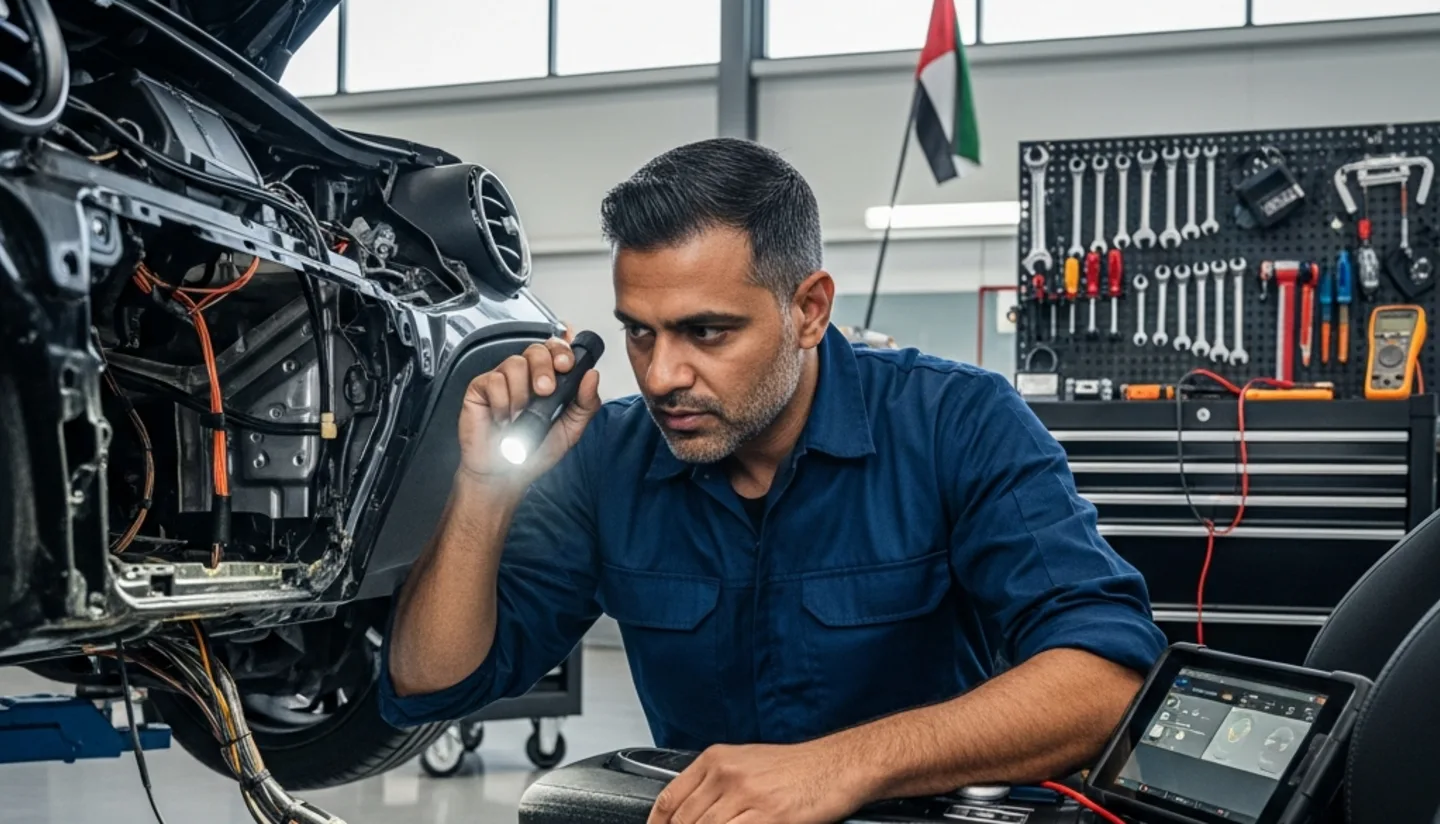
Buying a used car in the UAE can be a practical way to save money, but it also comes with risks that many people underestimate. One of the biggest dangers is hidden flood or water damage, an issue that often emerges after periods of heavy rain or poor drainage, both common in the UAE. The wrong purchase could lead to unexpected repairs, reliability problems, and significant loss of value. This guide will help you identify warning signs of flood exposure, know where to look for clues, and understand the importance of proper inspection before you make a payment or sign anything. Whether you’re a first-time buyer or a seasoned driver, understanding how to spot water damage can protect you from expensive mistakes.
Flooded used cars are more common than many buyers realise, especially after intense rainstorms that hit the UAE from time to time. Local infrastructure and drainage vary greatly, meaning that some streets, basements, or parking areas can flood quickly after heavy downpours. Cars left in these conditions may stand in water for hours, sometimes half-submerged without the owner even knowing immediately. Flood damage is not always obvious straight away, and some sellers or dealerships attempt to mask the signs through deep cleaning or quick repairs. What makes this a serious issue is that water-damaged vehicles can develop major problems weeks, months, or even a year after the initial exposure, particularly with electrical systems and electronics.
Frequent in certain districts or older developments, poor drainage systems can turn parking lots and roads into temporary lakes during sudden storms. Vehicles parked in underground garages or low-lying areas are particularly at risk. As the water seeps in, under doors, through chassis seals, or even up from below, it attacks vehicle components that are not designed to withstand moisture.
Even after a car dries out, hidden water can remain in insulation, wiring channels, or beneath floor carpets. Effects may not show immediately, but as moisture accelerates corrosion and disrupts electronics, new problems often arise well after the sale is completed. This is why a car may seem fine during a short test drive but later develop faults in the climate control, sensors, dashboard displays, or battery systems.
Even before calling in a professional, there are several steps you can take to check a used car for water exposure. Begin your inspection in daylight, ideally with the car clean but not heavily perfumed, as strong odours may hide mould or mustiness.
These simple checks are not foolproof, but unusual rust, foggy lens covers, and silt in hidden gaps should all raise further questions.
The inside of the car can tell you as much as the outside, if you know what to look for.
Actively search for inconsistencies between the car's age, mileage, and interior condition. Anything that does not fit warrants further scrutiny.
Electrical issues are one of the most common, and expensive, after-effects of flood damage in modern vehicles. Many components, from sensors and control modules to seat motors and lighting electronics, are located low in the body or under the seats, making them vulnerable to water ingress.
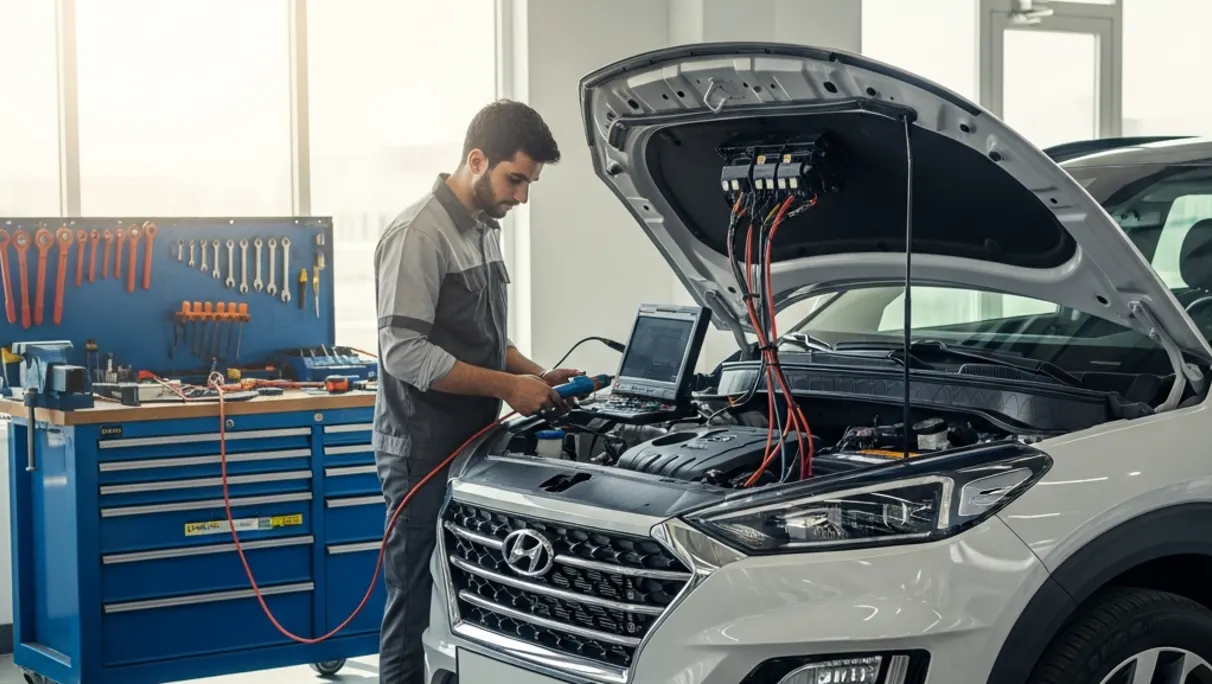
A professional OBD diagnostic scan is essential for any modern used car. Such a scan can reveal logged errors, communication faults, or history of electrical events that might not be visible or triggered during a standard test drive.
Service records and detailed inspection reports are critical tools in confirming whether a vehicle has suffered water damage. In the UAE, there is no public database reliably flagging all flood-damaged cars. Insurance claims, registration history, and auction notes may help, but are not complete. Look for:
If the car’s documentation does not add up, or if it does not match what you see during your inspection, do not take the seller’s word at face value.
Before you agree to any deal or transfer money, use these questions to get real answers:
A reputable seller or dealer should provide transparent service and inspection documentation without hesitation. If they push back or refuse, see it as a warning.
No used car is perfect, but buying a previously flooded car is a risk that keeps punishing you. Multiple small warning signs, especially those relating to moisture, electrical problems, or sketchy paperwork, almost always mean more trouble lurking beneath the surface. Walk away if:
It’s always better to lose out on a potential bargain than end up with a car that will drain your wallet and patience later. If you experience any of these red flags, keep looking, there are plenty of cars in the UAE market with clean histories and no flood exposure.
To avoid costly regrets, combine a careful visual inspection with a thorough interior check, electrical test, and full review of all paperwork. Do not skip a professional pre-purchase inspection or up-to-date scan, even for newer vehicles. Remember, what you do before you buy is far more valuable than any promise or low price a seller can offer. If you are unsure, seek help from a reliable multi-brand automotive service provider. A modest investment in inspection can save thousands in hidden repair bills and keep your ownership experience positive and stress-free.