If you drive regularly in the UAE, you know car engines face a tough life. With relentless sun, long commutes, and sudden heavy traffic, it’s not uncommon for drivers to notice worrying sounds under the bonnet, especially a sharp, metallic rattling known as ‘engine knock’ or ‘pinging’. Engine knock in hot weather isn’t just unpleasant; it can be a real warning sign. The UAE’s unique climate, combined with variable fuel quality and the demands of everyday driving, often make engine knock more noticeable and potentially more damaging than in cooler climates. For car owners, understanding what causes it, and when to book a workshop visit, can make the difference between a quick fix and a costly engine rebuild. This guide breaks down why engine knock gets worse in the UAE’s heat, how to spot the main causes, and what practical steps you should take to keep your engine safe.
High ambient temperatures in the UAE increase the baseline temperature inside your engine. Simply put, hotter air and engine components mean combustion temperatures climb faster and higher. When the combustion chambers are already warm, the margin before ‘knock’, where fuel mixture ignites irregularly, shrinks significantly. Worse still, engine knock often emerges under hard acceleration or heavy load, exactly when drivers need dependable power. This happens because the air inside heated combustion chambers reaches knock-prone temperatures more quickly, especially in stop-start city traffic or after idling with the air conditioner running. If your car starts to sound strained on a hot day, the conditions are ripe for knock. There are two main types of abnormal combustion:
While the driver’s ear often can’t distinguish them, both are more likely and more damaging in high heat.
One of the quickest ways engine knock appears in the UAE, especially in American, Japanese, Korean, and Chinese vehicles, is from using the wrong fuel grade. Most manufacturers recommend a specific minimum octane rating: this number reflects a fuel’s resistance to knock. If your engine is designed for RON 95 but you fill up with RON 91 (or equivalent), the fuel’s resistance to irregular combustion drops. In hot conditions, even a small drop in octane can be enough to tip the balance, resulting in pinging or knocking sounds. UAE fuel stations typically carry RON 91 and RON 95, with some premium fuels at higher ratings, but pump labelling and actual octane ratings may vary slightly by brand and station. Regular fuel in a premium-grade car leads to symptoms like:
Contaminated or poor-quality fuel, fuel mixed with water, old stock, or storage tank residue, can also trigger knock, often alongside sputtering, stalling, or a check engine light. In these cases, a workshop can identify fuel quality issues and flush the system if needed.
Over time, especially with repeated short trips or using lower-quality fuel, carbon deposits form inside engine combustion chambers. These hard, heat-retaining deposits can create ‘hot spots’ that glow like embers, sometimes hot enough to ignite the air-fuel mixture before the spark plug fires. Carbon buildup increases the effective compression ratio and keeps local temperatures higher between cycles. The most common symptoms pointing towards carbon deposits include:
Certain modern engines are especially prone to these deposits, particularly direct injection designs found in some American and Japanese cars. The good news is that professional decarbonising, using specialised treatments or manual cleaning, can often reduce or eliminate this problem if caught early.
Beyond fuel and deposits, any issue that pushes engine temperatures higher than intended increases the risk of knock. Cooling system faults, like a failing radiator fan, old coolant, blocked radiator, or faulty thermostat, are common culprits in the UAE. When coolant temperatures exceed normal operating range, combustion stability collapses and pre-ignition becomes likely. Incorrect ignition timing, when the spark fires too early or too late, can also trigger knock or worsen it once present. This can happen after DIY maintenance, battery disconnection, or sensor faults. Symptoms include irregular idle, loss of power at high RPM, and poor throttle response. A lean air-fuel mixture (too much air, not enough fuel) runs hotter and increases knock risk. Lean conditions can result from unmetered air leaks, failing fuel pumps, clogged injectors, or even sensor issues affecting air-fuel ratio calculations. Look for:
Addressing overheating, ignition timing, or air-fuel issues often requires both careful diagnostics and checks of related systems. Replacing parts at random rarely resolves the core problem and can get expensive quickly.
Modern engines rely on knock sensors to detect the characteristic vibration pattern of knock, adjusting timing instantly to protect the pistons. A healthy knock sensor will reduce power or advance timing to compensate, often before the driver notices anything. If the knock sensor itself is faulty, either weak, disconnected, or shorted, it can’t respond to actual knocking. Drivers may notice:
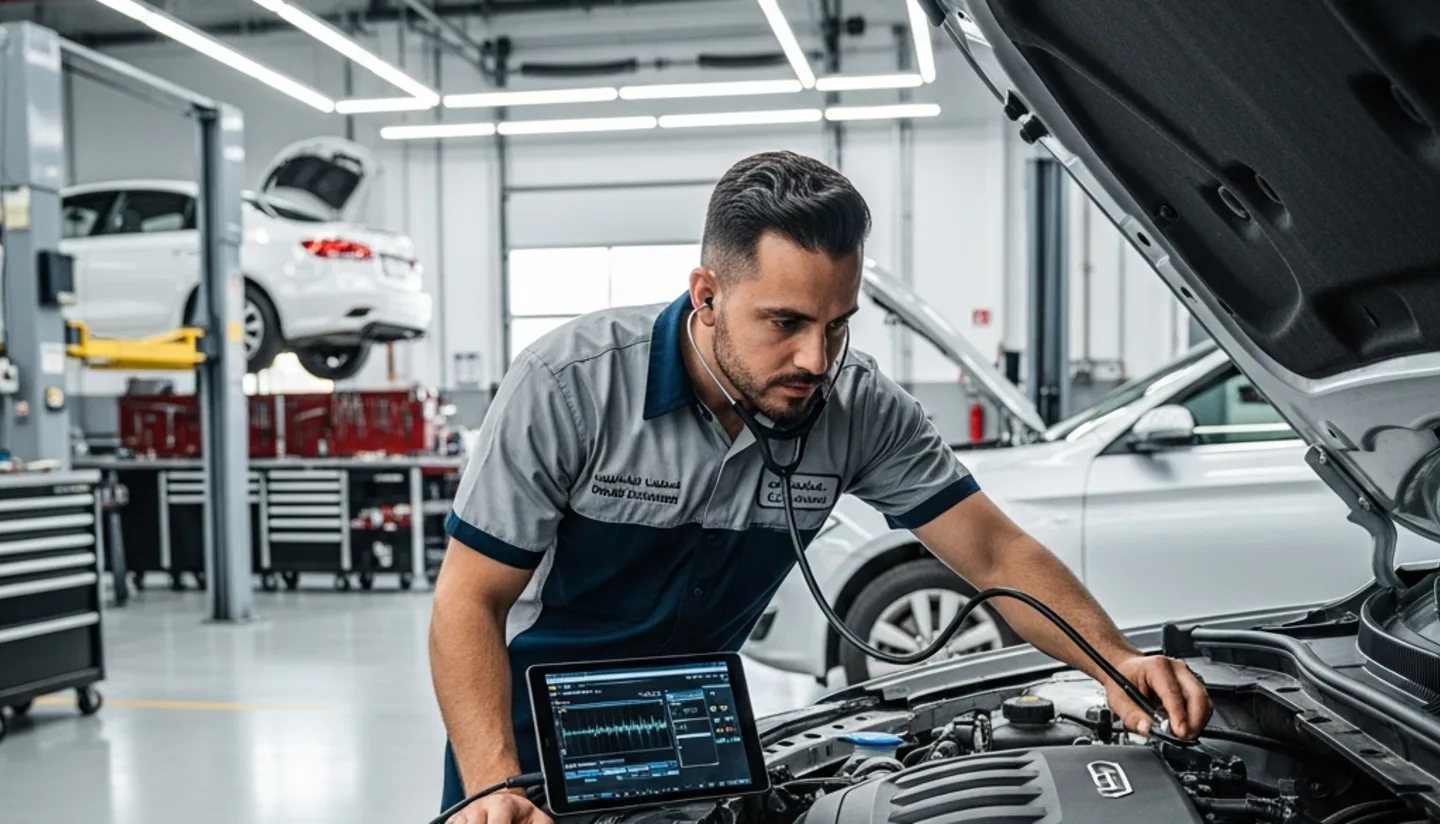
Sensor faults are usually quickly diagnosed by scanning the ECU for stored fault codes and checking the sensor’s output signals. Sometimes, a failing sensor may coincide with other running issues, so it’s important to combine digital diagnostics with hands-on workshop checks.
If you’re hearing repeated knocking or pinging, especially in the hot UAE months, don’t just ignore it or switch fuel brands without further investigation. A proper diagnosis involves several steps:
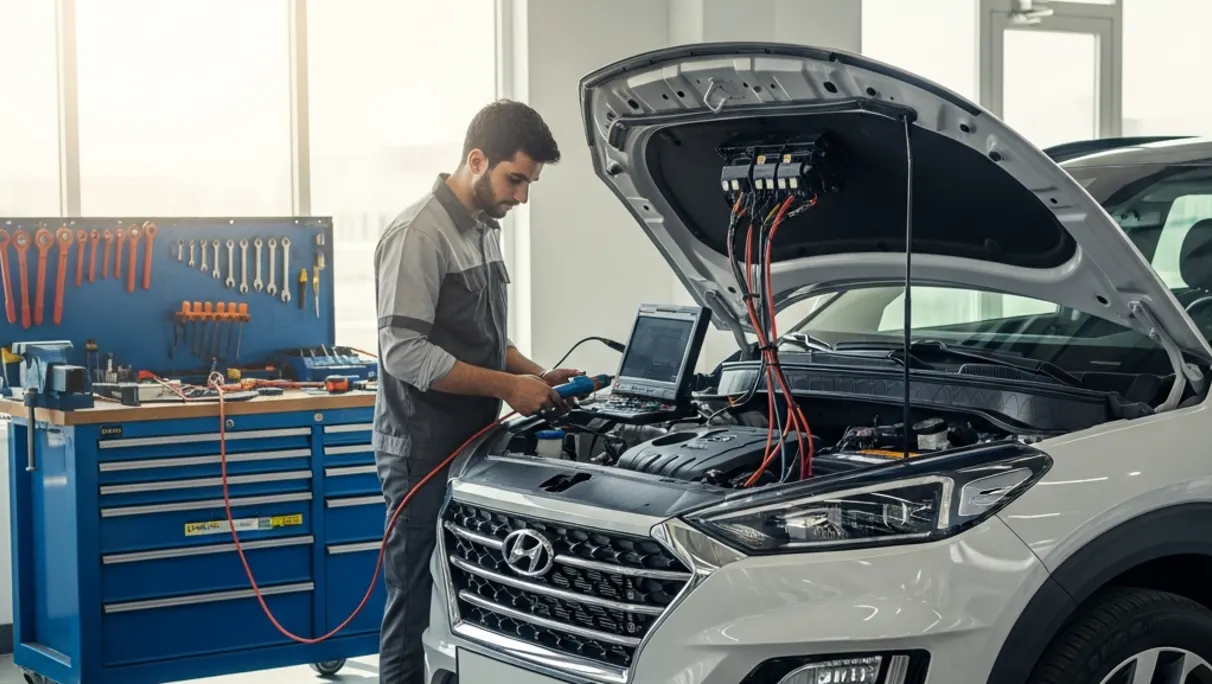
A professional workshop will usually:
Importantly, guessing and replacing parts without a confirmed diagnosis can quickly become expensive, and might still miss the real root cause.
Knocking that’s mild and occasional often means your engine is near its limits, usually from a recent fuel fill issue or hot weather stress. But repeated, heavy knocking should never be ignored. Persistent knock can, over time, damage:
Signs that need immediate inspection include:
Addressing the problem early can prevent serious engine damage and keep repairs reasonable. Repairs may involve fuel system cleaning, decarbonising, replacing sensors, or, if the engine has been damaged, more extensive work like piston or bearing replacement.
The UAE’s harsh environment means being proactive with engine maintenance is essential. Always use the correct fuel grade, keep up with routine services, and have any new rattling or knocking noises checked by a skilled technician. At the first sign of persistent pinging, especially in hot weather, get a proper diagnosis. It’s your best defence against bigger repair bills and keeps your vehicle safe in demanding local conditions.