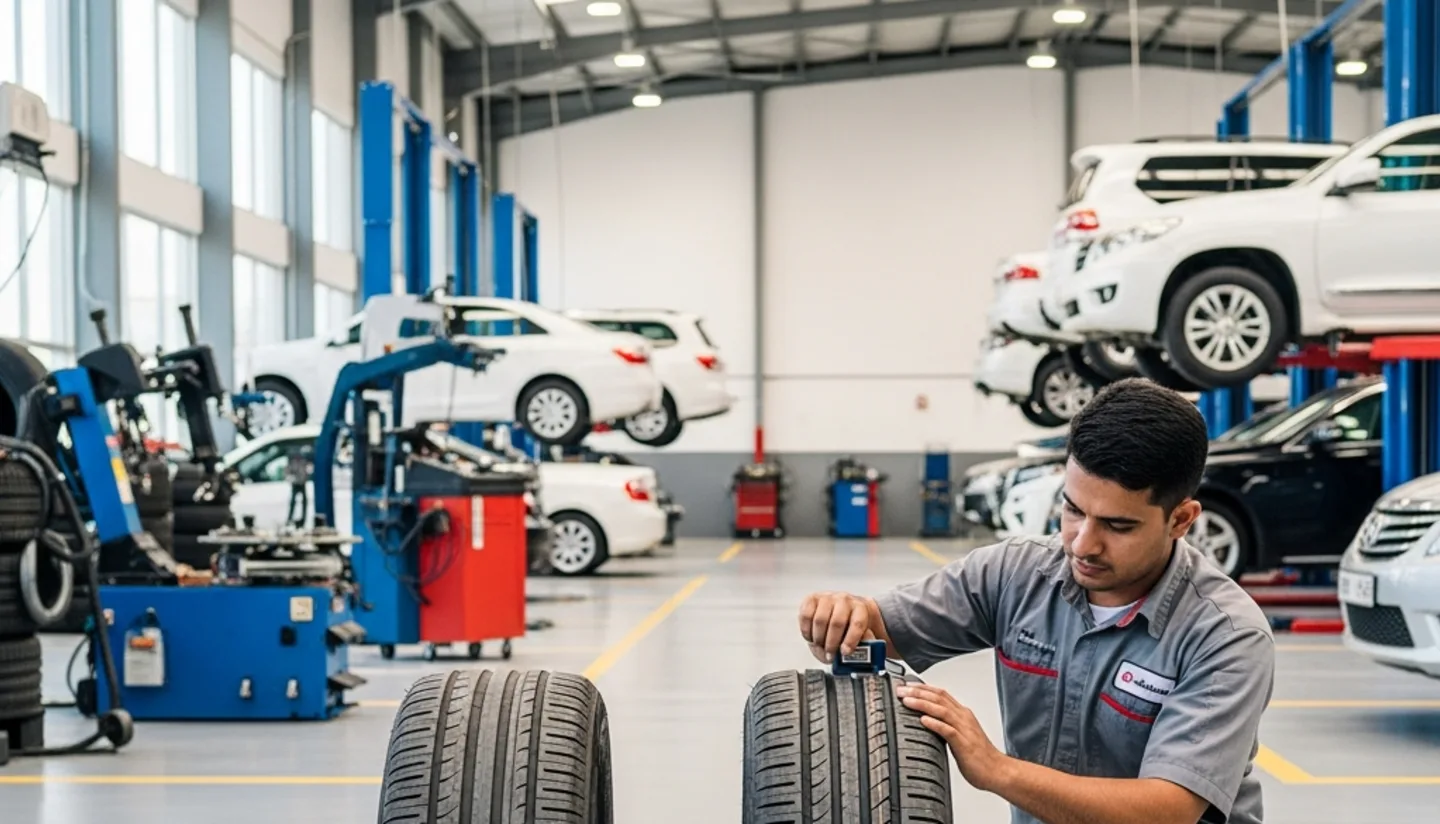
In the UAE, choosing between cheap and premium tyres isn’t just about the price you pay upfront. With sizzling summer temperatures, busy motorways, and a mix of driving habits, the tyres you pick affect a lot more than your wallet, they shape your daily safety and driving confidence. For many car owners, the search for a better deal at the tyre shop raises a real question: do budget tyres actually save money, or are they a shortcut to higher costs and risks down the road? This article dives into when cheaper tyres make sense for daily UAE driving, where premium options genuinely offer better value, and what everyday drivers really need to look out for. Whether you do short city commutes or spend long hours on Sheikh Zayed Road, the choice of tyre makes a bigger difference than many expect.
At first glance, budget tyres are tempting. Their lower sticker price feels like an easy win, especially when you’re replacing a full set. But the true cost of a tyre is measured over its lifespan, not just when you pay the bill.
Cheap tyres can cost half as much as premium brands, but they often wear out faster. This means you may need to replace them more often. If a budget tyre lasts 25,000 km but a premium one lasts 45,000 km, the savings shrink quickly. Add in potential costs from extra fuel use, more frequent balancing/alignment, or damage from blowouts, and the gap closes even more.
Tread life is crucial. In UAE conditions, intense heat and abrasive roads punish tyre rubber. Many budget tyres lose tread depth faster, especially if driven hard or under-loaded vehicles. Once the tread drops below 1.6mm (the legal limit in the UAE), grip and wet-road performance nosedive, and you face fines or safety risks. Premium tyres are often engineered with compounds designed for hot climates and can keep legal tread for much longer.
If you’re replacing tyres every year because they wore out or cracked in the heat, the budget route can end up costing more in the long run. Factor in potential costs if a tyre fails early, such as lost time, roadside breakdowns, or even minor accidents, and initial savings may simply disappear.
Not all UAE drivers face the same demands. For some, a well-chosen budget tyre is practical and safe.
Still, even in city use, it’s vital not to cut corners on safety. Avoid tyres that are near their expiry date, and steer clear of unknown brands with little local support or warranty.
Certain driving conditions make premium tyres a smarter, safer, and sometimes genuinely cheaper investment over time.
In these scenarios, the added grip, safety margins, and longevity of a premium tyre often justify the extra spend. One close call avoided or one blowout prevented can be worth every dirham.
The UAE’s hot climate profoundly influences tyre life and safety. Summer road surfaces can easily exceed 60°C, raising risks for tyres of all qualities but especially for budget models not designed for such extremes.
On highways, tyres flex and heat up quickly. At 120–140 km/h, tread and sidewall temperatures soar. Premium tyres retain structural integrity longer and are less likely to develop cracks or blistering, while budget models might degrade rapidly, losing grip or even failing outright.
Though the UAE has minimal annual rainfall, sudden storms or heavy fog can leave roads slick and unpredictable. Premium tyres with certified wet-grip ratings handle these moments much better, clearing water more efficiently and keeping braking distances short. Budget tyres, especially as the tread nears the legal minimum, often lose traction quickly in these rare but risky conditions.
In daily driving, the gap between budget and premium isn’t just about speed or emergencies, a good tyre also means a more comfortable, peaceful drive.
Every car and driver is different, and tyre choice should reflect your priorities rather than habit or lowest price. Here’s how to make the right call:
In the UAE, tyre choice is a balance. Cheap tyres are tempting and may fit low-mileage city drivers, particularly when budgets are tight or the vehicle's value is modest. But for anyone covering long distances, driving at high speeds, loading up the family SUV, or simply wanting peace of mind in brutal summer heat, premium tyres are not an extravagance, they’re a sensible, cost-effective investment. The real win isn’t just the price at the register, but the confidence and safety you carry on every journey. Always match your tyres to your needs, check their ratings, and never let short-term savings put your safety at risk.