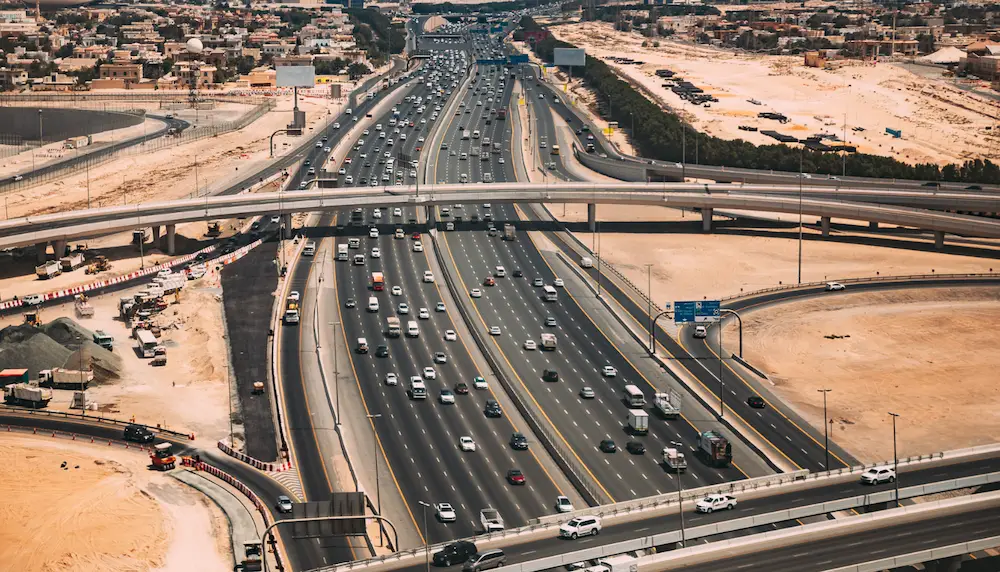
If you drive to work every day in Dubai or Sharjah, you already know the routine. Heavy traffic. Long signals. Sudden braking. And months of intense heat that can make your car feel like an oven.
A daily commuter car in the UAE lives a tough life. It deals with summer temperatures that often cross 45°C. Road surfaces get even hotter. Add dust, sand, and stop-and-go traffic, and small issues can turn into expensive repairs if you ignore them.
The good news is this. With a few smart maintenance habits, you can keep your car reliable, safe, and cheaper to run over the long term.
Let’s break it down in simple terms.
Here’s the thing. Cars in the UAE age differently from cars in cooler countries.
According to UAE climate data, summer temperatures regularly exceed 40°C, and road surface temperatures can climb far higher. Extreme heat speeds up the breakdown of engine oil, stresses batteries, and weakens rubber parts like tyres and belts.
The Automobile and Touring Club of the UAE has also highlighted that battery failures and tyre blowouts are among the most common roadside issues during the summer months.
What this means is simple. If you follow a maintenance schedule designed for mild weather, it may not be enough here.
In real life, it looks like this:
Daily commuting makes it tougher. Short trips, idling in traffic, and frequent braking all add wear.
If you only do one thing, do this: change your engine oil on time, or slightly earlier than recommended.
Engine oil lubricates moving parts, reduces friction, and helps control temperature. In hot climates, oil breaks down faster.
Many car manufacturers suggest oil changes every 10,000 km under normal conditions. But UAE driving often falls under “severe conditions” in owner manuals. Severe conditions include:
Under severe conditions, many manufacturers recommend oil changes every 5,000 to 8,000 km.
A simple way to think about it is this. If you commute daily in Sharjah traffic and sit idling for 30 minutes each way, your engine works harder than someone driving on open highways.
Here’s how it works:
Also, use the correct oil grade. In the UAE, many modern cars use 5W-30 or 0W-20 synthetic oil. Check your owner’s manual. Using thicker or cheaper oil to save money can backfire.
It is not about fancy brands. It is about correct specification and consistency.
In Dubai and Sharjah summers, your cooling system is under constant stress.
Your car’s cooling system includes:
Coolant is not just colored water. It is a mixture of water and antifreeze. Even in hot climates, antifreeze matters because it raises the boiling point of the liquid.
Most manufacturers recommend a 50:50 coolant to distilled water mix. This helps prevent overheating and corrosion inside the engine.
Here’s what you should do:
In real life, overheating often starts small. Maybe your AC feels slightly warmer in traffic. Maybe the temperature gauge creeps up when idling.
Do not ignore it.
Overheating once can warp engine components. That repair bill can run into thousands of dirhams.
Heat is the enemy of car batteries.
Studies by battery manufacturers such as AAA and global automotive groups show that high temperatures speed up chemical reactions inside batteries, leading to faster degradation.
In moderate climates, a battery may last 4 to 5 years. In the UAE, 2 to 3 years is common.
What this means is you should treat your battery as a regular replacement item, not a surprise expense.
Smart tips:
In real life, a weak battery often fails without warning. One day, the car starts slowly. The next day, it does not start at all, usually in a parking lot under the sun.
Preventive replacement is cheaper than roadside recovery.
Tyres suffer in the UAE heat, especially for daily commuter cars that sit on hot asphalt for hours.
According to road safety data in the UAE, tyre blowouts are a significant cause of summer accidents. High heat increases internal tyre pressure. Underinflated or overinflated tyres are both risky.
Here’s how it works:
Check tyre pressure at least once a month, and always when tyres are cold.
Also:
The catch is that many drivers only check tyres when something feels wrong. By then, damage may already be done.
Daily commuting with frequent braking also wears front tyres faster. Rotation helps balance that wear.
Sharjah and Dubai traffic means constant braking.
Brake pads naturally wear out. In heavy city driving, you may need new pads every 30,000 to 50,000 km. On highways, they can last longer.
Signs your brakes need attention:
Do not wait for grinding. Grinding usually means the pads are fully worn, and metal is rubbing against metal. That can damage brake discs, which are more expensive to replace.
In real life, brake maintenance is cheaper when done early. A simple pad replacement costs far less than replacing pads and discs together.
In the UAE, AC is not optional. It is essential.
Your AC system depends on:
Dust is a major issue. Cabin air filters can clog faster in sandy conditions.
Replace your cabin filter at least once a year, or every 15,000 to 20,000 km. If airflow feels weak, check it sooner.
If your AC is not cooling properly:
A weak AC also puts extra load on the engine, which can affect fuel consumption.
This can help if you notice higher fuel bills in summer.
You do not need to be a mechanic. Just spend 15 minutes once a month.
Quick checklist:
That is it.
Small checks prevent big bills.
Let’s be honest. Most car problems are not sudden. They build up.
Here are common mistakes I see often:
If the check engine light turns on, do not wait for months. Even if the car feels fine.
Sometimes it is minor. Sometimes it signals overheating, misfiring, or sensor failure.
The longer you wait, the higher the risk.
Delaying a 500 AED service can lead to a 5,000 AED repair later.
Maintenance is predictable. Breakdowns are not.
Not all aftermarket parts are bad. But very cheap filters, brake pads, or coolant can cause more harm than good.
A simple way to think about it is this. If a part protects your engine or safety, do not cut corners.
More is not always better.
Too much engine oil can cause pressure problems. Too much coolant can overflow. Follow recommended levels.
Many drivers check tread but forget age. In the UAE heat, rubber hardens over time even if the tread looks fine.
Every car and driver is different. So how do you decide what is right for you?
Start there. Look for “normal” and “severe” conditions.
If you:
You likely fall under severe conditions.
Ask yourself:
Short trips and heavy traffic increase wear.
If the manual says 10,000 km oil change under normal conditions, consider 7,000 to 8,000 km in the UAE city driving.
Not extreme. Just slightly conservative.
Keep a note on your phone:
This prevents guesswork.
In real life, many people forget when things were last done. A simple log fixes that.
UAE fuel standards are generally high. Both E-Plus 91 and Special 95 are widely available. Use the grade recommended by your manufacturer.
Using higher octane than required usually does not improve performance in regular engines.
Driving habits matter too.
Hard acceleration and sudden braking:
Smooth driving reduces wear. It also makes commuting less stressful.
What this means is that maintenance is not just about parts. It is also about how you drive.
Some issues should not wait:
These are not “wait until the weekend” problems.
Act early.
Daily commuter cars in Dubai and Sharjah face extreme heat, heavy traffic, and dusty conditions. That combination increases wear on oil, batteries, tyres, brakes, and cooling systems.
But smart maintenance is not complicated.
Check fluids monthly. Change oil on time. Replace batteries before they fail. Monitor tyre pressure. Pay attention to small warning signs.
You do not need to be obsessed with your car. You just need to be consistent.
A well-maintained commuter car starts every morning, handles traffic without drama, and saves you from surprise repair bills.
And in a place where summer heat shows no mercy, that peace of mind is worth it.