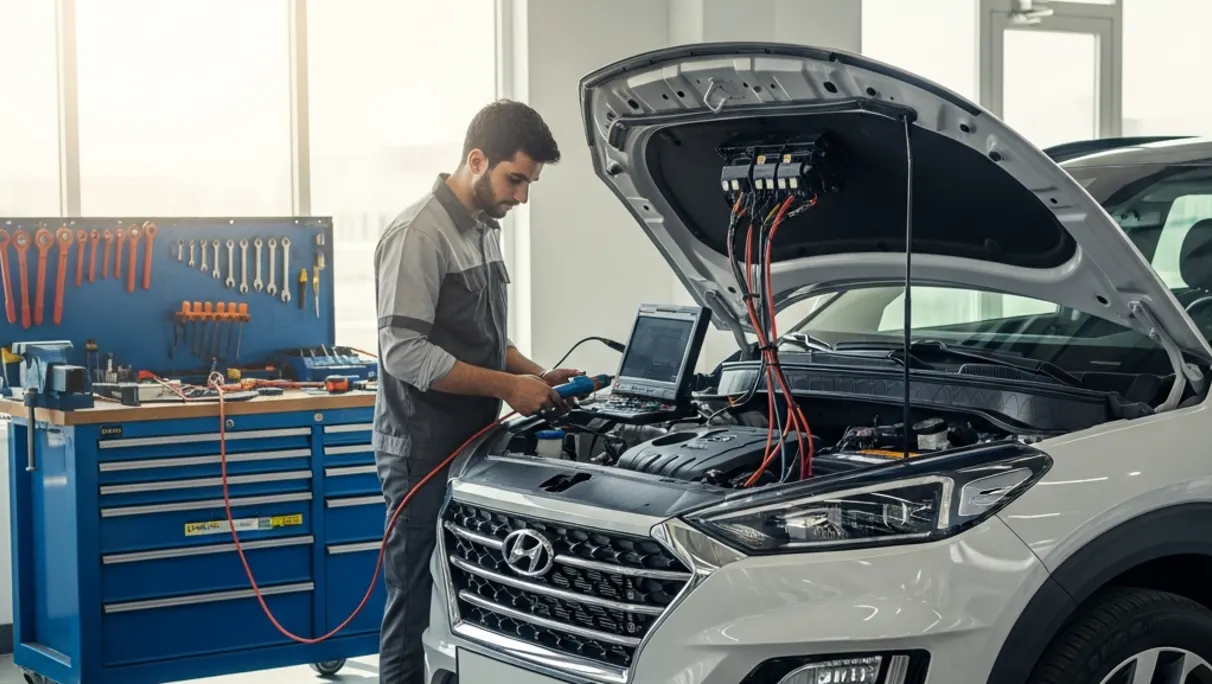
Few car issues are more frustrating than turning the key or pressing the start button and getting nothing, or just a few half hearted cranks from your engine. Most UAE drivers, at some point, find themselves stuck wondering: is it the battery, alternator, or the starter motor? The symptoms can look similar, but the fix, cost, and urgency can be very different. Sorting out which component is to blame gives you a faster fix and avoids unnecessary parts swaps or repeat breakdowns. In this article, we’ll help you quickly recognise the key differences, understand what basic checks and readings matter, and know when to trust your own diagnosis or seek a professional inspection.
When your car won’t start, narrowing down the cause is all about details. The battery, alternator, and starter motor each play a specific role, but when one fails, the symptoms often overlap. Here’s how to make sense of what you’re experiencing.
Each of these parts supports a different stage of the starting and running process. Because a flat battery can be the result of a failed alternator or starter drawing excess power, just replacing the most obvious part rarely works. That’s why quick pattern recognition and simple testing saves you hassle.
If your car struggles to start after sitting overnight, but works better after a jump-start, your battery is the most likely culprit. Let’s break down the main signs.
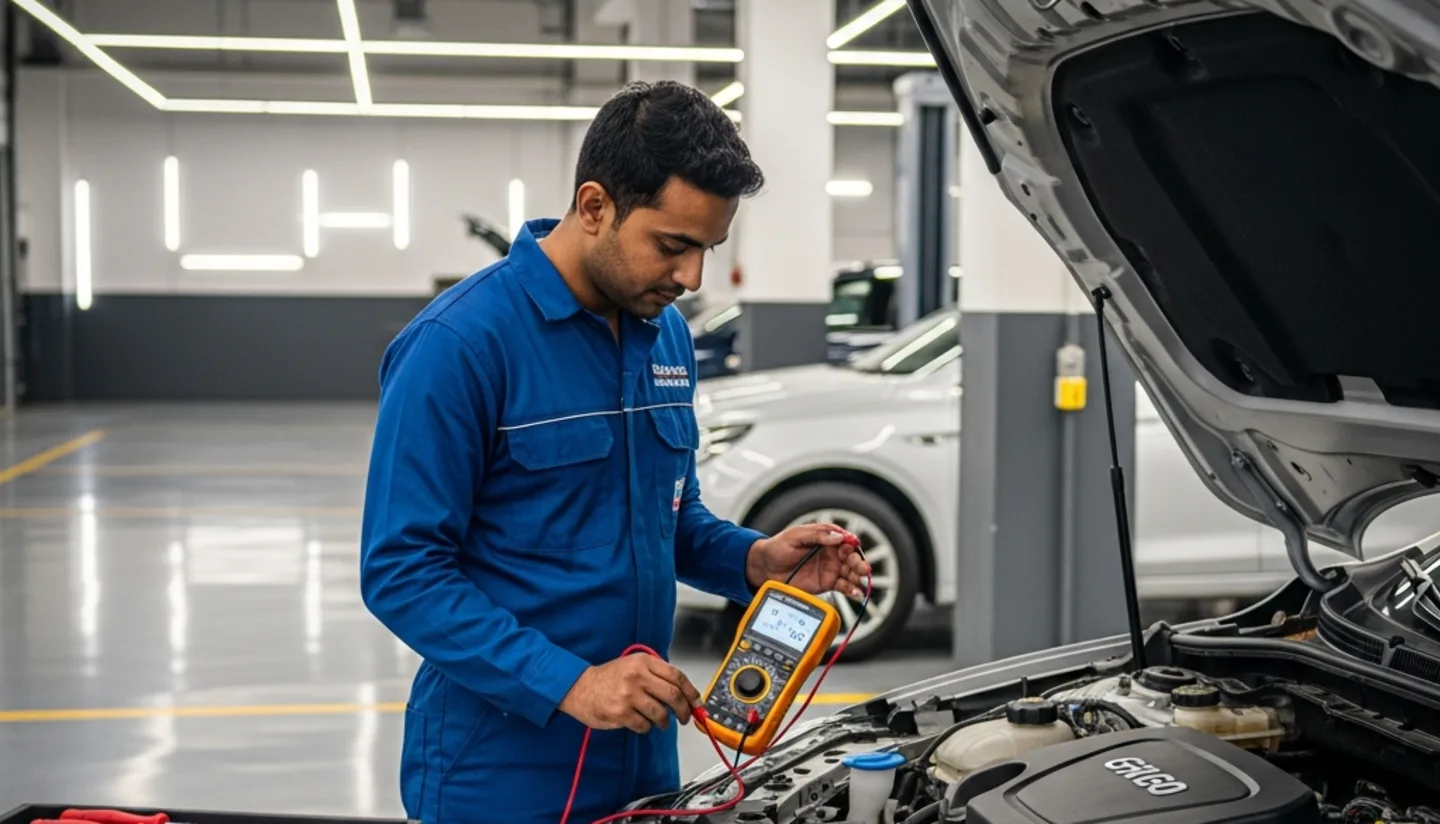
If this sounds like your car, start with a battery voltage check. A healthy battery (in UAE heat) should read between 12.4 and 12.7 volts with the engine off. If it’s below 12 volts, it’s likely overdue for replacement, especially if it’s more than 2-3 years old or shows signs of swelling or leaking. Extreme summer heat in the UAE can shorten battery life, so regular checks are wise.
A faulty alternator can masquerade as a simple battery fault, but several warning signs point more specifically to charging system trouble:
To check at home, measure the voltage at the battery with the engine running. A functioning alternator should deliver around 13.8 to 14.5 volts. If the reading is much below this range, or fluctuates a lot, the alternator or its connection is likely at fault. If a battery warning light comes on, don’t ignore it, get the charging system checked before you get stranded. Sometimes, repeated battery failure or unexplained battery drain signals an alternator that isn’t providing enough charge – or is overcharging and cooking the battery. Either way, swapping batteries alone won’t solve the real issue.
While less common than battery failure in UAE conditions, starter motors do fail and their symptoms can confuse even experienced drivers. Here’s what to watch for:
A failing starter can sometimes produce a grinding or whirring sound, but these are less common. When suspicious, tap the starter lightly (if accessible) and try starting again. If it fires up, it’s time to get the starter checked or replaced.
It pays to do a few basic tests before swapping parts. Small issues like corroded battery terminals or a loose ground wire can mimic major failures.
If you’re repeatedly replacing batteries, but the problem quickly returns, or if voltage readings don’t match expected ranges, stop before guessing and get a workshop to perform proper load testing and a more advanced scan.
Swapping out a battery, alternator, or starter motor based purely on a hunch or symptom can lead to repeated breakdowns and doubled costs. Real-world experience in UAE conditions shows:
If you’re ever unsure, or the above simple checks don’t give you a clear answer, it’s best to get a professional voltage test and system scan. Trained technicians can identify whether a problem is electrical, mechanical, or just a bad connection. This saves money, reduces the risk of being stranded, and prevents you from paying twice for the same fix.
If your car is completely dead, shows repeated starting trouble after battery replacement, or presents inconsistent voltages, don’t hesitate to book a proper inspection. Workshops can perform advanced diagnostics, test each component under load, and spot subtle faults a quick home test might miss.
While battery, alternator, and starter problems can feel much the same at first, the small details and a few smart checks, make all the difference. Focus on symptom patterns, voltage readings, and the process of elimination before spending on any replacement. For UAE drivers, where extreme heat and high mileage are facts of life, regular checks and using professional diagnostics when needed helps keep your car reliable without extra expense or guesswork. When in doubt, a skilled workshop is your best shortcut to the right answer.