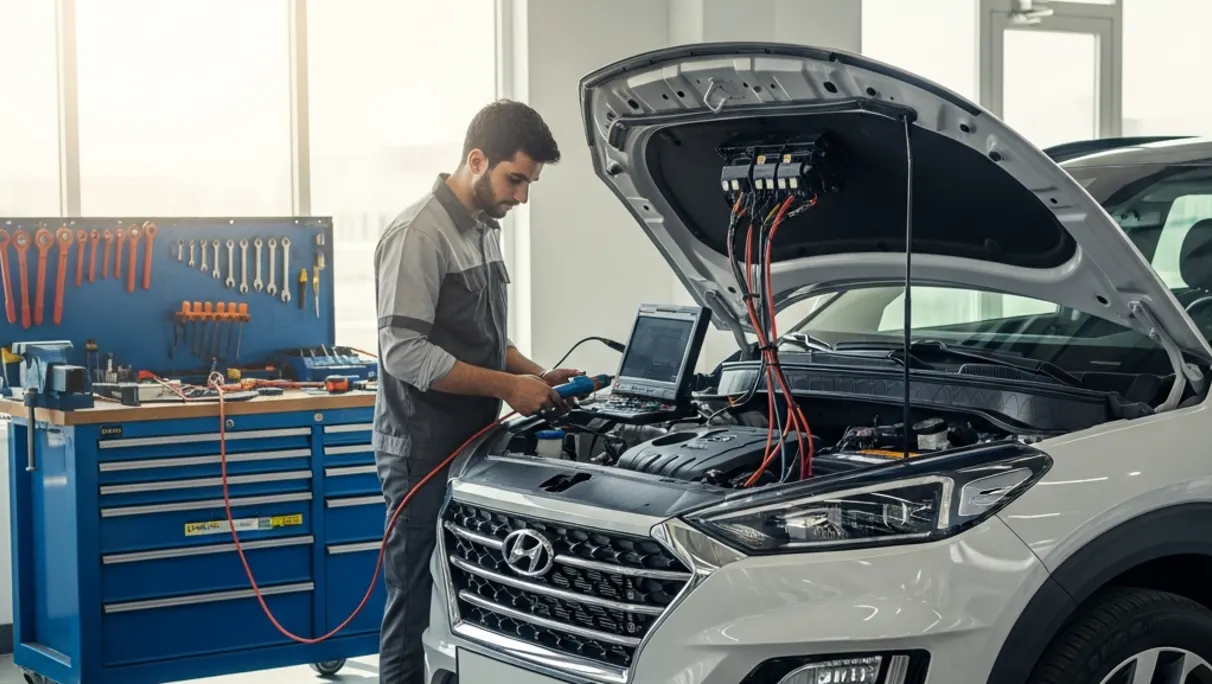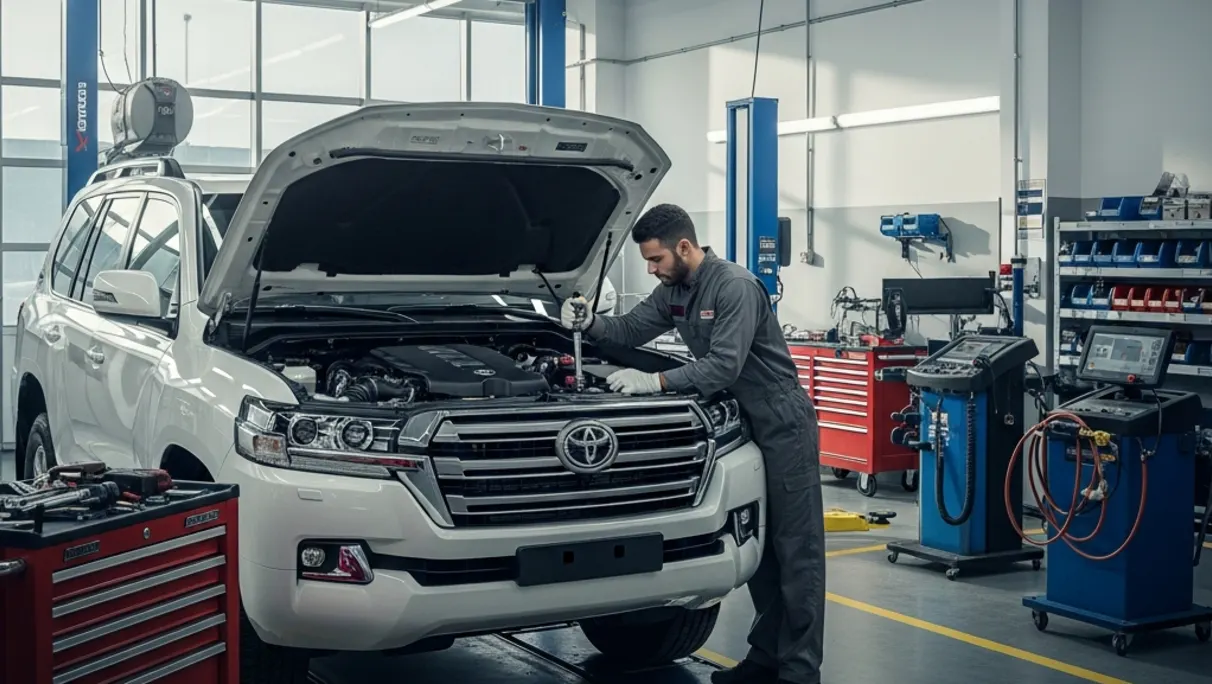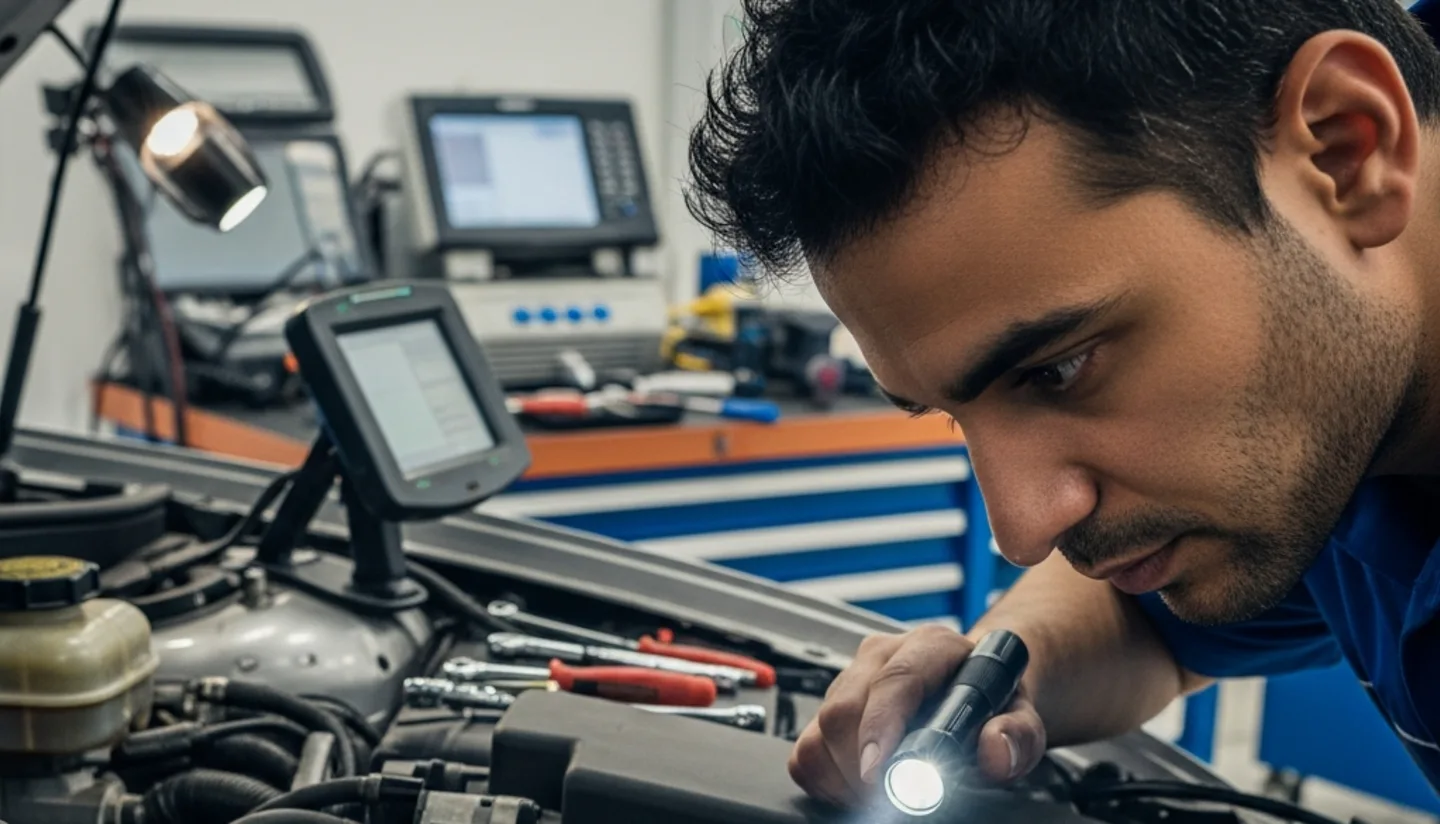
When a car has seen years of hard work on UAE roads, every repair and maintenance decision takes on new weight. Many owners of high-mileage cars, especially those driving American, Japanese, Korean, or Chinese brands, eventually encounter offers for an 'engine flush', a service that promises to clean out internal deposits and restore lost performance. The appeal is understandable: who wouldn’t want a cleaner engine with minimal fuss? Yet, with older engines, the reality sits somewhere between hope and risk. In this article, we’ll take a close look at how engine flushes really work, why they’re not always suitable for high-mileage vehicles, how to make the safest choice based on your own car’s history and symptoms, and what alternatives are available to keep your engine running for years to come.
An engine flush involves pouring a chemical solution into the engine oil, running the engine for a short period, then draining both the oil and chemicals along with any loosened deposits. In theory, this process breaks up old sludge and varnish that build up after years of operation.
These specialised flush products use strong detergents and solvents designed to dissolve deposits inside the oil galleries, piston rings, valve train, and sump. If the engine has only minor varnish, these chemicals may help remove thin layers and improve oil flow. On a gently used engine with a solid maintenance history, the results can be positive, restoring efficiency and, occasionally, smoothing rough idle or oil circulation.
However, in an older engine, deposits sometimes form on seals, gaskets, or inside smaller oil passages. Over time, these deposits may actually prevent worn seals from leaking by creating a physical barrier. Suddenly stripping away these layers with a flush can expose cracked, hardened, or shrunken seals. That’s why, in practice, engine flushes sometimes cause new oil leaks, especially on cars with high mileage or inconsistent service.
Despite the concerns, there are situations where an engine flush delivers legitimate benefits.
It’s important, though, to use the correct product for your specific engine type, and only after confirming there are no underlying problems such as leaks or abnormally low oil pressure.
Flushing is not a cure-all. Relying on a chemical flush in a neglected, high-mileage engine can expose the car to new and expensive risks.
Assessing the safest way forward requires a closer look at both history and present symptoms.
A well-documented oil change history is an encouraging sign. If your car has never missed an interval, the risk from a gentle flush is low, though results may be subtler than dramatic.
Look under the oil cap or, if possible, remove a rocker cover. Light brown or golden varnish is usually normal; thick, black sludge is a red flag. Heavily sludged engines should not be flushed at all, instead, consider gradual, repeated oil changes.
If you regularly top off the oil, spot drops under the car, or notice a burning smell, leaks or internal wear may already be present. Likewise, engines that use excess oil, run rough, or emit smoke are not safe candidates for flushing, these are signs to repair or overhaul, not to clean with chemicals.
If engine longevity and reliability are your priorities, consider approaches that work gradually rather than taking a sudden, aggressive route:
Unlike a flush, these methods let you watch for new leaks and monitor engine behaviour after each oil change, making ongoing wear easier to spot and manage.
If a workshop recommends an engine flush, ask for details before you agree:
Flushing is not automatically bad, nor is it a miracle fix. For cars with mild deposits and good maintenance habits, a carefully chosen flush done by an experienced workshop can help. For high-mileage engines with questionable oil history, leaks, or signs of internal wear, it’s generally safer to skip the flush and focus on routine oil changes, using quality oils designed for ageing engines. Because every engine ages in its own way, affected by UAE heat, dusty conditions, stop-start traffic, and actual maintenance, there is no one-size-fits-all decision. A thorough inspection and honest evaluation will always provide the safest answer, whether that’s a flush, a service, or a gradual approach to getting your engine back to health.
For high-mileage cars in the UAE, engine flushing is best approached with caution and context. Always base your decision on the true condition of your engine, not just its age or odometer reading. Don’t be afraid to ask for a proper assessment, and prioritise methods that respect both the limitations and potential of your high-mileage car. In many cases, a conservative, step-by-step approach using quality oils, regular monitoring, and periodic check-ups will do far more for long-term reliability than a chemical flush ever could.