Have you ever sat in your car, ready to go, only to realise you forgot something important? On short drives, forgetting a water bottle or mobile charger is annoying. On long cross-border road trips from Dubai to Oman or Saudi Arabia, forgetting the right documents or car checks can stop your journey before it even begins. That is exactly why this checklist matters.
Planning road trips to neighbouring countries like Oman or Saudi Arabia is exciting, but it also comes with requirements that you might not face on a regular drive. You need more than a full tank. You need paperwork, the right insurance, permits, and a car that is genuinely ready for long hours on highways. This guide explains what to check before you hit the road so that you enjoy the journey instead of stressing over mistakes.
When you are travelling out of Dubai into another country with your car, you cross legal and physical boundaries. You pass through immigration points and customs, and you enter different traffic rules, insurance territories, and road conditions that may be far from what you experience in the city. If you are not prepared, you could wait hours at a border, be refused entry, or even be sent back to Dubai.
Here’s how it works: the more you prepare now, the smoother your trip will be on the day of departure. A full checklist helps you avoid common border hiccups and gives you peace of mind while driving long distances.
Make sure every traveller has:
Without these, immigration will not let you cross.
For Oman: Most nationalities, including UAE residents, can get an entry visa on arrival that is valid for around 14 days. If you plan to stay longer, you may need an eVisa before departure.
For Saudi Arabia: You will typically need a Saudi visa before entry. A tourist eVisa is often easiest. Visa rules vary by nationality, so check consulate sites before you go.
Print your visa approval or have it readily available on your phone. Some border posts may take time to access online records.
Carry:
If you are driving a company car or a vehicle not registered in your name, you must also carry a No Objection Certificate from the owner. Rental cars often require this too.
Your valid UAE driving licence is usually accepted in Oman and Saudi Arabia. Some countries and rental companies may advise an International Driving Permit.
Always check if your licence type is acceptable for your destination and vehicle type.
Your UAE car insurance may not automatically cover you in Oman or Saudi Arabia. Most travellers need special cross-border coverage.
For Oman, you need an Orange Card insurance that shows your car is insured for driving there. You may arrange this with your insurer before you leave, or sometimes purchase temporary coverage at the border.
For Saudi Arabia, you typically need third-party liability insurance that covers driving in Saudi. Policies like Manafith insurance can be bought online or at the border.
Check your existing policy and call your provider to confirm what is covered and what needs to be added. It is better to arrange it ahead of time than to sort it out at a crowded border post.
Here’s the thing: insurance issues are one of the most common causes of delays at land borders. Handle it before you pack your bags.
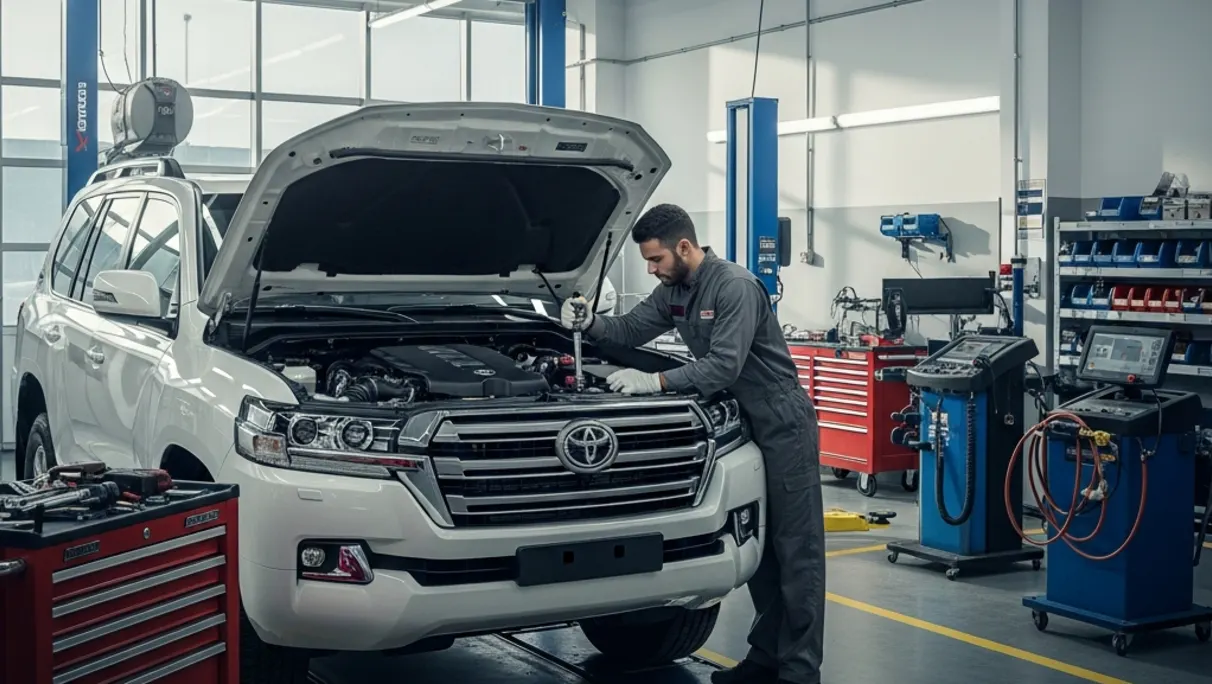
Before driving hundreds or even thousands of kilometres, your car should be mechanically ready.
Check:
Low levels or old fluid can cause breakdowns on long drives. If your next service is due soon, consider doing it before the trip rather than after.
Tyres should be in good condition with solid tread depth. Measure tyre pressure and adjust it to the recommended level shown on your car’s door frame sticker.
Underinflated tyres increase heat and fuel consumption. Overinflated tyres reduce grip. Both can be risky on long, hot highway drives.
If your tyres are more than three to four years old or close to minimum tread depth, consider replacing them before travelling.
All lights, headlights, brake lights, indicators, and hazard lights must work properly. Night driving between cities is common, and being visible matters.
Check:
Desert roads can mean dust, insects, and sand on the windshield. Clear visibility is not optional.
Pack a basic emergency kit that includes:
Some authorities require warning triangles and reflective vests for roadside stops.
If you only do one thing, do this: make sure your spare tyre is actually usable. Many people discover too late that their spare is flat.
Crossing a land border is not like driving through a toll gate.
For Oman, expect exit fees on the UAE side and entry fees on the Oman side. Processing times can vary from 20 minutes to over an hour depending on traffic, public holidays, and weekends.
For Saudi Arabia, border processing can take longer, especially during busy travel periods such as school holidays or religious seasons.
A simple way to think about it is this: build buffer time into your schedule. Do not plan tight hotel check-ins right after your expected crossing time.
Long drives mean long stretches without petrol stations, especially after crossing into Saudi Arabia, where distances between stops can stretch beyond 100 kilometres in some areas.
Fill your tank before reaching the border. It removes one concern from your mind.
While petrol stations in cities accept cards, some rural stations prefer cash. Carry local currency, Omani rials or Saudi riyals, for fuel, snacks, or small expenses.
Driving for four or five hours without stopping increases fatigue.
Stop every two to three hours. Stretch. Drink water. Reset your focus.
Fatigue is one of the biggest risks on long highway drives.
A long road trip is as much about navigation as it is about mechanics.
Download offline maps before leaving Dubai. Mobile signal may drop in mountain areas or desert highways.
For Oman, the Hatta border is popular and open 24 hours. It handles most travellers heading to Muscat.
For Saudi Arabia, the Ghuwaifat crossing is the main route for travellers heading toward eastern Saudi Arabia and Riyadh.
Know which crossing suits your route before departure.
Carry extra water even if you plan to stop frequently. Dehydration creeps up quickly in hot climates.
Weather can shift between hot daytime and cooler evenings. Pack light layers.
Bring a car charger and a power bank. Navigation drains battery quickly.
Here’s something many drivers forget.
Traffic rules differ slightly between countries. Speed limits may change from what you are used to in Dubai.
In Oman and Saudi Arabia, speed cameras are common on highways. Fines can be issued automatically.
Before you leave, review:
Do not assume rules are identical just because you are in the Gulf region.
Forgetting a passport, registration, visa, or insurance is the fastest way to be denied entry. Double-check everything.
Many travellers assume their UAE auto policy covers neighbouring countries. It rarely does automatically.
Network coverage can drop. Offline maps prevent panic.
Borders get crowded in the afternoons and weekends. Leave early.
Packing too much luggage increases fuel consumption and tyre wear. Keep it reasonable.
Use this quick readiness test:
If all six are checked, you are ready.
A long road trip from Dubai to Oman or Saudi Arabia is an experience worth having. The highways are wide. The landscapes change from city skylines to mountains or endless desert. The journey itself becomes part of the adventure.
But smooth travel rarely happens by accident. It happens because you prepared properly.
Get your paperwork in order. Check your car honestly. Plan your route. Allow extra time. Once you have done that, you can drive with confidence instead of worry.
And that is what makes a long road trip enjoyable.