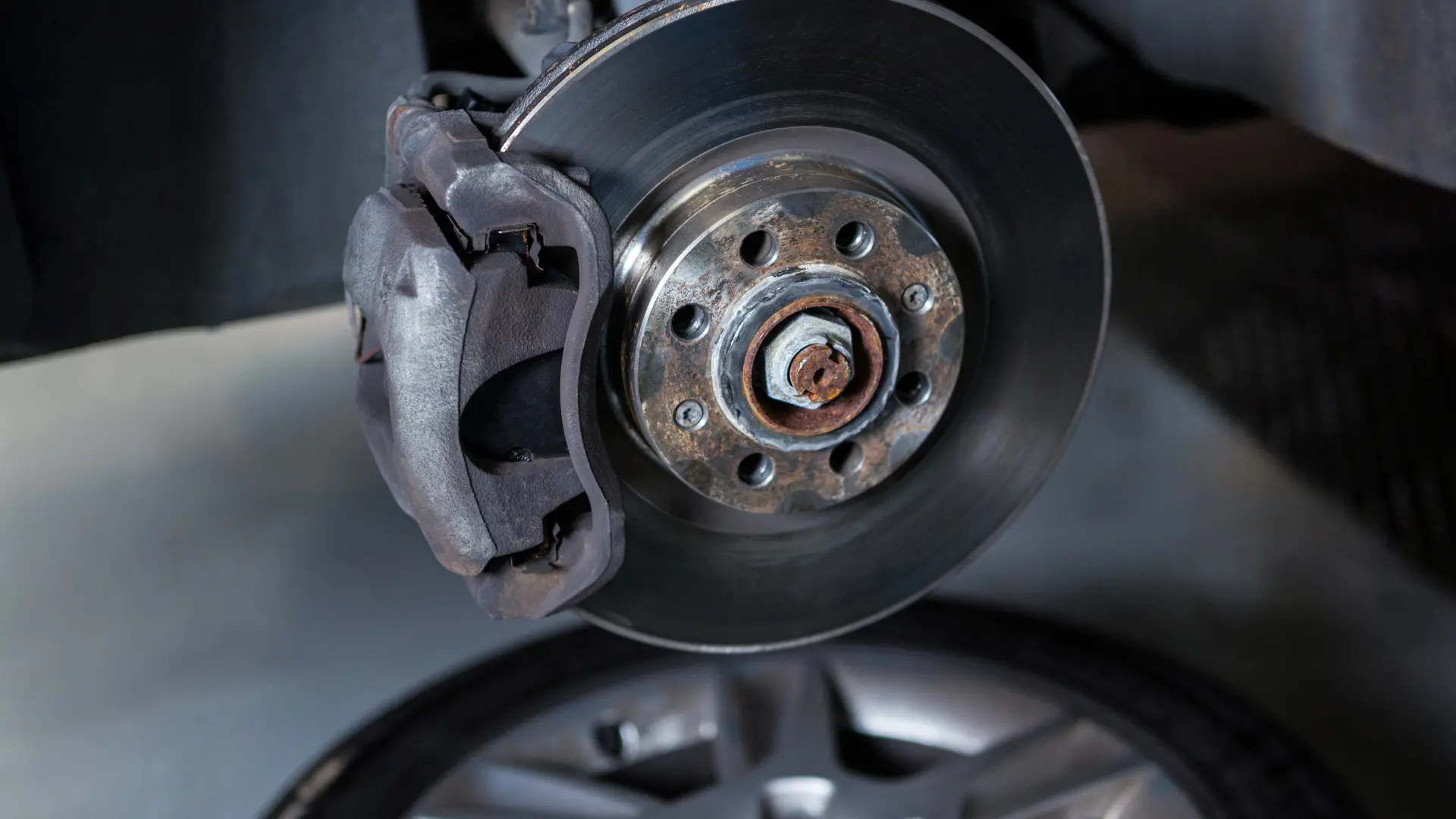
Have you ever been driving along, pressed the brake pedal, and felt something just didn’t feel right? Maybe you heard a strange noise, or your car didn’t slow down as quickly as usual. If so, you’re not alone. Almost every driver asks the same question at some point: when is it really time for brake pad and disc replacement?
If you drive a Japanese or Korean car like a Toyota, Honda, Nissan, Hyundai, or Kia, you probably expect reliability and low running costs. And most of the time, that is exactly what you get. But brakes are wear parts. They are designed to wear out. The key is knowing when replacement is necessary and when you still have a safe life left.
Let’s make this simple, clear, and practical.
Before talking about replacement, it helps to understand the basics.
When you press the brake pedal, brake fluid pushes pistons inside the brake caliper. The caliper squeezes the brake pads against the brake disc. The friction between the pad and disc slows the wheel down and stops the car.
Brake pads are made of friction material bonded to a metal plate. That friction material wears down over time. Brake discs are thick metal plates that rotate with the wheel. They are built to handle heat and pressure, but they also wear out gradually.
A simple way to think about it is this: pads wear first. Discs usually last longer. But both have limits.
There is no universal number, but there are realistic ranges.
In normal driving conditions:
That range is wide for a reason. Driving style, traffic conditions, vehicle weight, and terrain all matter.
In real life, it looks like this:
What this means is that mileage alone does not decide everything, how you drive matters just as much.
Your car usually gives warning signs before things get serious.
Many brake pads include a small metal wear indicator. When the pad material gets thin, that metal tab touches the disc and makes a squealing sound.
This is an early warning. It does not mean your brakes have failed. It means check them soon.
Grinding is more serious. It often means the friction material is gone, and the metal backing plate is contacting the disc.
If you keep driving like this, the disc surface gets damaged. Instead of replacing just pads, you now need discs too.
The catch is that grinding turns a small job into a bigger one.
Most mechanics recommend replacing brake pads when the friction material reaches about 3 millimetres thick.
If you can see the pad through your wheel spokes and it looks very thin, it is time to schedule replacement.
If your car takes longer to stop than it used to, even during normal braking, worn pads could be the reason.
This can help if you pay attention to how your car feels week to week instead of waiting for obvious failure.
Brake discs, also called rotors, usually last longer than pads. But they do not last forever.
If you feel pulsing in the brake pedal or steering wheel when slowing down, your discs may be uneven.
Uneven discs often result from repeated heavy braking that creates heat buildup. The surface becomes slightly warped.
Here’s how it works. The pad presses against a surface that is no longer perfectly flat. You feel that as vibration.
Light surface marks are normal. Deep grooves are not.
Deep grooves reduce smooth contact between the pad and disc and can affect braking performance.
As discs wear down, a ridge forms along the outer edge. A small ridge is fine. A thick ridge often means the disc is near its minimum thickness.
Every disc has a minimum thickness specification. If it wears below that limit, it must be replaced for safety.
Cracks are rare but serious. Heavy corrosion or pitting can also weaken braking performance.
If you see visible cracks, replacement is not optional.
Mechanically, the braking systems on Japanese and Korean cars follow the same basic design principles as other modern vehicles.
However, there are a few practical points:
A simple way to think about it is this: the brand does not change physics. Driving style and usage matter more than the badge on the hood.
You do not need advanced tools to stay ahead of brake problems. Use this checklist every few months:
This takes only a few minutes and can prevent bigger repairs later.
Many people wait until brakes make loud grinding noises. By that point, discs may already be damaged.
Replacing pads early is cheaper than replacing pads and discs together.
If discs are warped or heavily grooved, new pads alone will not fix vibration or uneven braking.
Sometimes replacing both at the same time makes more sense long-term.
Front brakes usually wear faster because they handle most of the stopping force. But rear brakes still wear out.
Do not assume rear brakes are fine just because the front ones are the main focus.
Brake pads vary in quality. Extremely cheap pads may wear faster, create noise, or feel inconsistent.
For daily driving, it is usually better to choose parts that match original equipment specifications.
If you feel unsure, follow this step-by-step approach:
If you only do one thing, do this: never allow brake pads to wear down to metal on metal contact.
Your habits make a difference.
Hard braking at the last second creates more heat and faster wear. Anticipating traffic and slowing gradually reduces stress on the system.
Carrying heavy loads also increases wear. A fully loaded SUV will use brakes harder than a lightly loaded sedan.
In real life, city drivers may replace pads every 40,000 km. Highway drivers may go significantly longer.
What this means is you control part of your brake lifespan through how you drive.
You do not always need to replace discs with every pad change.
Replace both together if:
New pads on severely worn discs may lead to noise, uneven wear, or reduced performance.
On most Japanese and Korean cars, replacing front brake pads is one of the more manageable maintenance jobs.
Replacing both pads and discs costs more because discs are larger components.
The catch is this: delaying pad replacement can double your bill if discs become damaged.
Addressing wear early keeps costs lower and braking performance consistent.
Brake pad and disc replacement is not about chasing a specific mileage number. It is about paying attention to wear, sound, feel, and performance.
Japanese and Korean cars are generally predictable and well-engineered. Their braking systems follow standard wear patterns.
If you monitor pad thickness, respond to warning signs early, and replace parts before they cause damage to other components, you will rarely face sudden brake failure.
Brakes are a safety system. Treat them that way.
Replace pads before they damage discs. Replace discs when they are worn or uneven. Keep it simple. Keep it timely. And your daily driving will stay smooth and safe.